
How garment stretch recovery works in spandex jeans
Ads
Garment stretch recovery in jeans is the physical capacity of denim fabric to extend under movement and snap back to its original dimensions once the stress is released. This mechanical bounce keeps your favorite pair snug throughout the day, preventing loose waistbands, sagging rear panels, and protruding knee pockets that frequently develop after hours of continuous sitting. The catch is that no elastane filament maintains complete elasticity indefinitely, and common laundry mistakes such as high-heat drying accelerate internal fiber degradation.
Ads
For shoppers browsing budget-friendly online retailers, knowing how elastomeric yarns function allows you to predict whether a specific pair will maintain its silhouette over months of regular wear. Different fabric compositions balance flexibility and structural endurance in distinct ways, making fiber content labels your most valuable tool when purchasing denim online. By evaluating yarn construction, weave density, and maintenance requirements before checking out, you can choose garments that provide comfortable flexibility without sacrificing long-term shape retention.
Ads
The mechanics behind elastane fibers and denim yarns
Traditional raw denim consists purely of one hundred percent cotton woven in a right-hand or left-hand twill pattern. Cotton offers immense tensile durability and a classic rigid drape, but natural cellulose fibers have virtually no inherent elasticity. When pure cotton stretches beyond its natural mechanical yield point—usually just two to three percent—the individual fibers slide against each other without bouncing back. To introduce flexibility into heavy twill fabrics, textile manufacturers wrap natural cotton or synthetic polyester fibers around a flexible synthetic core known scientifically as polyurethane elastomer, branded commercially as spandex or Lycra.
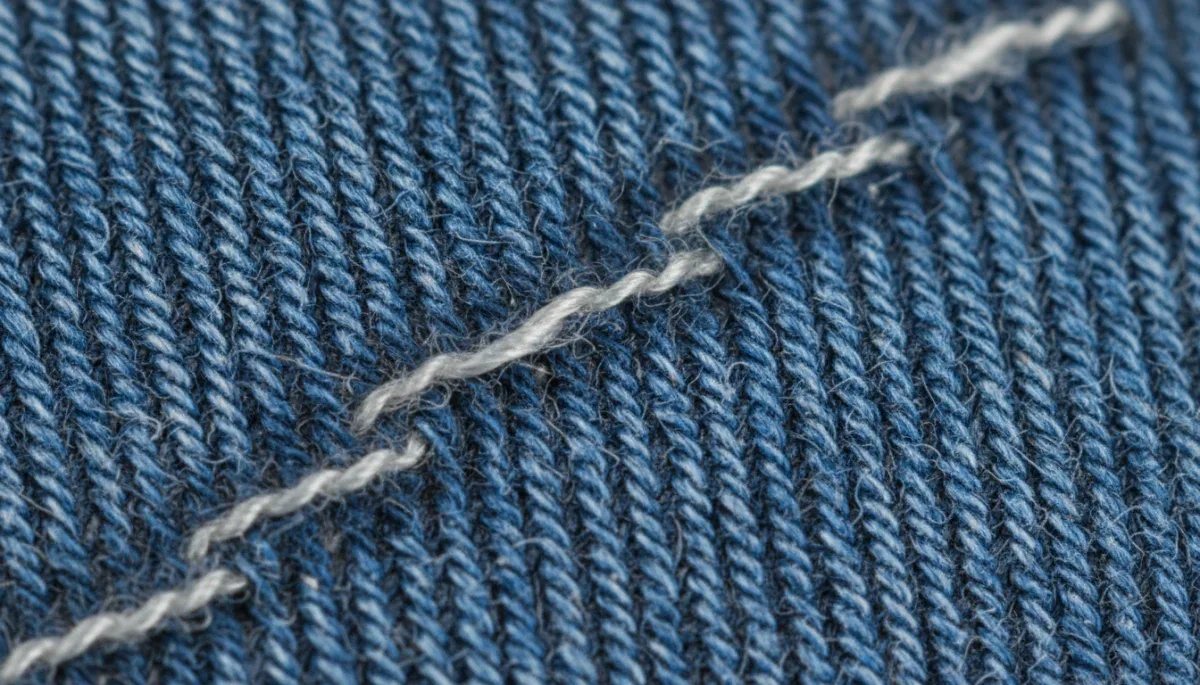
This hybrid construction is called core-spun yarn. In standard denim production, core-spun yarns are woven into the weft, which runs horizontally across the fabric, while traditional dyed cotton yarns make up the warp running vertically. When you sit down or bend your knees, the horizontal weft yarns take the brunt of the tension, allowing the fabric to expand outward around the joints. The internal elastane core stretches like an elastic band beneath its protective cotton wrapper, absorbing the dynamic stress exerted by your body.
The true technical feat of denim engineering lies in balancing the stretch percentage with the recovery percentage. Stretch measures how much the fabric elongates relative to its resting state, whereas recovery measures the percentage of that expansion the fabric successfully pulls back after tension stops. High stretch without equally robust recovery is the fundamental cause of garment deformation. High-performance stretch denim utilizes specialized dual-core yarns that combine elastane for flexibility with polybutylene terephthalate or elasterell-p for instantaneous structural recoil.
Core components of modern stretch yarns
- Elastomeric filament: Provides the initial expansion capacity, allowing the garment to stretch comfortably around muscular contours.
- Recoil stabilizing fiber: Works alongside elastane to actively pull the yarn back to resting length, preventing permanent fiber elongation.
- Outer fiber sheath: Composed of spun cotton or rayon that shields the synthetic core from friction while preserving the classic appearance of denim.
Why spandex blend jeans lose their shape during wear
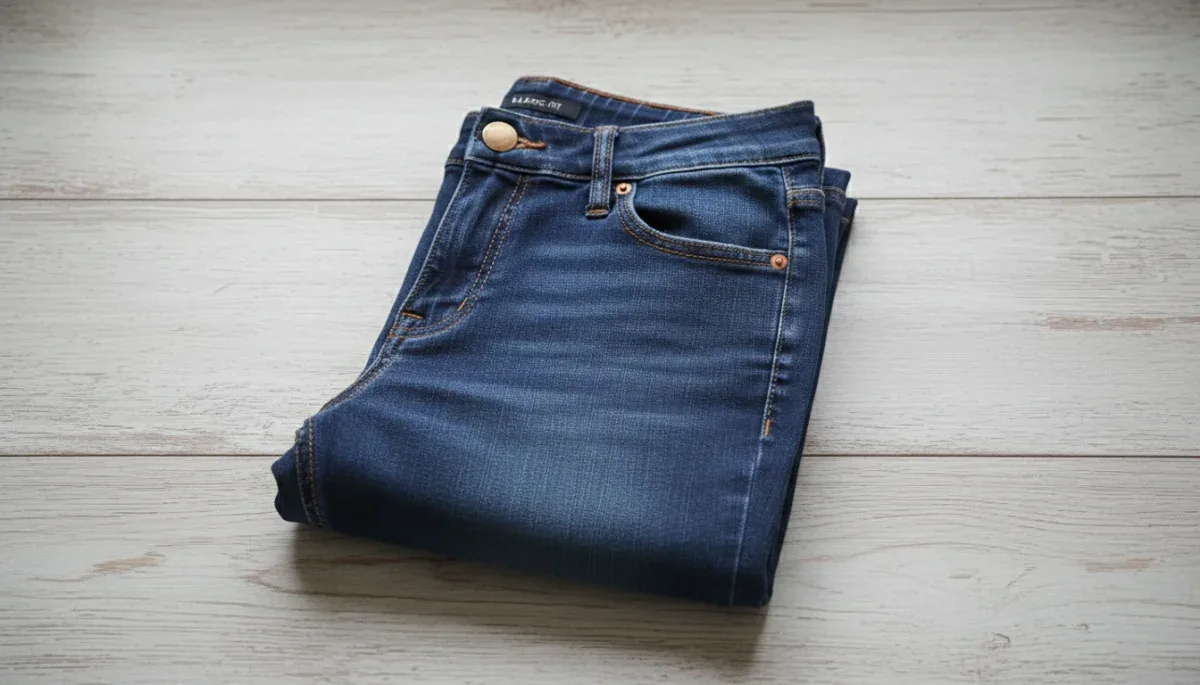
The primary reason a pair of jeans bags out during a standard workday comes down to mechanical fatigue and fiber slippage. When you bend your knees or flex your hips, you subject local fabric zones to continuous, concentrated pressure. If you remain seated for several hours at an office desk or behind the wheel of a car, the internal elastane cores remain locked in a strained state. Over continuous periods under tension, the tiny polymer chains within the synthetic elastane begin to rearrange slightly, losing their kinetic tension in an engineering phenomenon known as stress relaxation.
Simultaneously, the physical weave of the denim experiences internal friction. The protective cotton fibers spun around the elastic core can slip along the synthetic filament. Once these cotton outer fibers shift under pressure, they create microscopic gaps that physically jam the yarn weave, preventing the elastane filament from pulling completely back to its original resting position. This causes the localized fabric at the knee caps and seat to remain slightly expanded, creating visible pouches and wrinkles even after you stand upright.
Lower-cost manufacturing processes often cut corners on fiber density and spinning tightness to keep production costs down. Loose yarn wrapping increases the likelihood of core slippage, meaning budget garments can sometimes exhibit noticeable bagging after only a single afternoon of wear. Furthermore, single-core spandex lacks the structural reinforcement necessary to overcome the weight of heavy denim twill, which makes the recovery process slower and less complete than in premium multi-component fabrics.
Key factors causing denim bagging
- Prolonged static tension: Sitting in one position keeps elastomeric fibers stretched beyond the threshold where immediate recoil occurs.
- Cotton sheath displacement: External fibers slide along the slick synthetic core, preventing the inner filament from retracting cleanly.
- Low-density weaving: Wide gaps between warp and weft threads give stretched yarns physical room to remain loose and misshapen.
How fiber ratios alter flexibility and fabric recovery
Understanding fiber content tags on clothing retail sites gives you direct insight into how a garment will behave over time. A denim blend featuring ninety-nine percent cotton and one percent elastane provides a subtle mechanical give, often called comfort stretch. This low percentage softens the rigidity of raw cotton while maintaining a vintage, heavyweight drape. Because the fabric remains predominantly cotton, structural recovery relies heavily on the tight weave of the sturdy yarn rather than powerful synthetic recoil, resulting in a pair of jeans that resists bagging but offers limited initial expansion.
Denim featuring two to four percent elastane or spandex delivers substantial flexibility, conforming closely to the body. This composition is standard for modern skinny, slim, and tapered fits. However, once spandex content reaches two percent or higher, the fabric relies almost entirely on synthetic recovery rather than weave density to retain its shape. Without high-grade dual-core technology, high-spandex denim is significantly more prone to fatigue, requiring regular wash cycles to reset fiber tension and snap the silhouette back into alignment.
Many contemporary jeans incorporate polyester, rayon, or modal alongside cotton and spandex. Polyester provides tensile strength, lowers fabric cost, and helps prevent shrinkage, while rayon adds a soft, silky hand feel. However, rayon fibers absorb water readily and lose strength when wet, which can complicate long-term stability. If high recovery is your primary priority, look for fabric tags that specify elasterell-p, Lycra T400, or multi-fiber polymer blends, as these engineered components are explicitly designed to maintain snapback performance over hundreds of wears.
Standard denim compositions compared
- Rigid denim (100% cotton): Zero elastomeric stretch; softens and molds strictly to body contours over years of wear.
- Comfort stretch (98-99% cotton, 1-2% spandex): Subtle flexibility with strong structural integrity; minimal knee bagging over full-day wear.
- High stretch (90-94% cotton, 4-8% polyester, 2-4% spandex): Dramatic elasticity and contouring; requires specialized care to prevent elastane breakdown.
The impact of wash cycles and thermal stress on elasticity
Synthetic elastane fibers are exceptionally sensitive to thermal degradation and harsh chemical agents. When you wash stretch jeans in hot water or run them through a conventional clothes dryer on high heat, the intense thermal energy weakens the polyurethane bonds inside the elastane filament. As these bonds break down, the synthetic core loses its mechanical elasticity, turning brittle and permanently limp. This damage cannot be repaired once it occurs, leaving jeans permanently saggy with visible rippling along the seams.
Liquid fabric softeners pose another substantial threat to stretch recovery in jeans. Softeners operate by depositing a thin, waxy lubricating coating over the yarn surface to make fabrics feel silky to the touch. On denim containing spandex, this slick coating penetrates the yarn core, causing the outer cotton sheath to slide uncontrollably against the elastane filament. This accelerated slippage severely compromises the fabric's ability to pull itself back together after being stretched, worsening knee sag and loose waistbands.
To maximize the lifespan of stretch garments, wash them inside out using cold water and a mild, bleach-free detergent on a gentle spin cycle. Cold water preserves the chemical stability of synthetic polymers while cleaning away body oils and ambient dirt. Instead of utilizing automated tumble drying, lay stretch denim flat on a drying rack or hang it by the cuffs away from direct sunlight and artificial heat radiators to allow natural, stress-free moisture evaporation.
Protective laundry guidelines for stretch denim
- Wash in cold water: Prevents heat from softening and weakening the core polyurethane elastomer chains.
- Skip commercial fabric softeners: Eliminates slippery chemical residues that trigger internal core-spun fiber slippage.
- Air dry away from direct heat: Protects delicate synthetic filaments from the destructive temperatures of high-heat tumble dryers.
- Wash only when visibly soiled: Reduces mechanical agitation inside the washing machine drum to preserve fiber resilience.
Selecting the right stretch denim for daily endurance
When shopping for affordable jeans on platforms like SHEIN or similar fast-fashion websites, evaluating the product description and material specifications carefully can save you from purchasing ill-fitting items. Always check the fabric composition breakdown before looking at aesthetic styling. If a product listing notes high stretch but lists only pure cotton and cheap single-core elastane without any polyester or stabilization fibers, expect the garment to expand at least half a size after three to four hours of continuous wear.
Pay close attention to customer reviews that discuss long-term fit rather than initial try-on impressions. Look specifically for customer feedback noting whether the pants fit true to size after an entire day of movement. Shoppers will frequently state whether they needed to size down to compensate for bagging out at the waist and knees. If multiple reviewers report that the waist gaps significantly by the end of the day, the fabric composition likely suffers from weak elastane recovery under load.
Garment weight, often measured in ounces per square yard, is another dependable indicator of long-term recovery. Ultra-lightweight stretch fabrics under nine ounces tend to bag out rapidly because there is insufficient cotton mass to stabilize the weft threads. Medium-weight denim ranging from ten to twelve ounces offers the ideal balance for everyday stretch jeans, providing enough fabric density to anchor the stretch yarns while offering adequate breathability for multi-season comfort.
Pre-purchase checklist for stretch denim
- Verify fiber percentages: Check for the presence of recovery-enhancing fibers like polyester or multi-component dual-core filaments.
- Review midday fit comments: Search customer feedback for mentions of loose waistbands or bagging knees after several hours.
- Evaluate fabric weight: Prioritize medium-weight denim over ultra-thin fabrics to ensure structural stability around stress points.
Restoring shape to stretched and bagging jeans
While severe heat destroys elastane over time, controlled thermal exposure can temporarily reset stretched cotton fibers that have become loose around worn joints. Cotton fibers naturally swell when exposed to moisture and heat, shrinking slightly back toward their original tightly woven grid. If your favorite stretch jeans have become uncomfortably loose around the seat and knees after days of wear, a targeted laundering routine can restore their close, tailored fit without subjecting the synthetic components to catastrophic damage.
A quick twenty-minute soak in lukewarm water followed by a short cycle in a dryer set strictly to low or medium heat provides enough controlled warmth to shrink the outer cotton fibers back into position without melting the internal elastane. This process tightens the surrounding yarn sheath, which re-engages the mechanical grip on the inner spandex core. However, this restorative technique should be treated as an occasional maintenance step rather than a routine habit, as repeated dryer cycles eventually take an irreversible toll on synthetic stretch yarns.
For localized sagging at the knees, targeted spot steaming offers an effective alternative to a full laundry cycle. Holding a handheld garment steamer a few inches away from the bagged area allows moisture and gentle heat to contract the distorted cotton fibers without agitating the entire garment. Allow the treated area to dry completely on a flat surface before putting the pants back on, ensuring the fibers set firmly into their reconstituted dimensions.
Methods to reset fabric tension
- Low-heat dryer reset: A brief ten to fifteen minute tumble on low heat after a damp wash helps cotton yarns snap back.
- Targeted steam treatment: Directing steam onto sagged knee zones contracts expanded cellulose fibers without washing the entire garment.
- Flat drying technique: Drying pants flat prevents gravity from pulling wet, heavy denim downward during moisture evaporation.
At a glance
| Factor | What to know |
|---|---|
| Core-spun construction | Elastane cores provide flexibility while cotton outer wraps deliver authentic denim appearance. |
| Stress relaxation | Prolonged sitting forces synthetic filaments to temporarily yield, causing knee and rear sagging. |
| Heat sensitivity | High washing and drying temperatures permanently break down elastomeric chains, destroying recovery. |
| Fabric softeners | Chemical softeners coat yarns and accelerate core slippage, drastically reducing garment snapback. |
Frequently asked questions
Why do my stretch jeans fit well in the morning but sag by afternoon?
Continuous mechanical tension from sitting and walking causes temporary stress relaxation in the elastane filaments, while cotton sheath fibers slide along the synthetic core. This displacement prevents immediate snapping back, leaving the knees and waistband loose until washed.
Can ruined stretch recovery in jeans be permanently fixed?
No, once the internal elastane filaments break or melt due to high laundry heat, the elastic degradation is permanent. While washing can temporarily shrink outer cotton fibers, melted synthetic cores can never regain their original mechanical elasticity.
What elastane percentage provides the best balance of stretch and recovery?
Denim featuring one to two percent elastane blended with ninety-eight percent cotton offers the best long-term durability. It delivers sufficient flexibility for daily movement while relying on dense cotton weaves to maintain structure and resist severe bagging.
How often should you wash stretch jeans to maintain their shape?
Wash your stretch jeans after every three to five wears, or whenever noticeable sagging occurs at the knees and waist. Regular cold-water washing contracts relaxed cotton fibers and resets the resting tension of undamaged elastane filaments.
The bottom line
Achieving lasting comfort in denim requires balancing the flexible convenience of elastane with structural yarn engineering capable of snapping back throughout the day. Selecting medium-weight denim with sensible fiber ratios, skipping fabric softeners, and strictly avoiding high-heat laundry cycles are the most effective ways to preserve fabric integrity over months of wear. Before finalizing an online order, always review the garment composition tag to confirm the exact elastane ratio matches your durability expectations.
Written by
Lucas Bastos
Lucas Bastos writes about house, clothes and discounts for onlyshein.com. Each article explains how things work, compares published details such as prices, policies and program rules, and points readers to the official source before they decide.