
Cotton vs modal: how fabric weight and softness compare
Ads
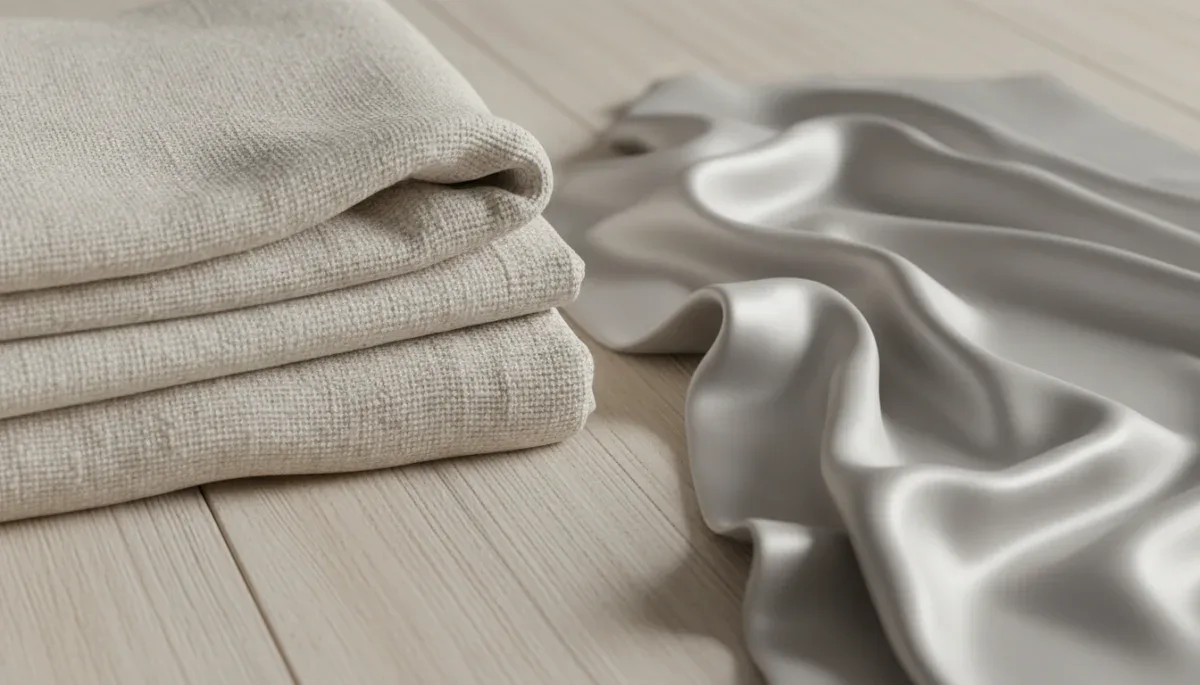
Modal feels consistently softer and lighter against the skin than standard cotton, offering a fluid, liquid drape that mimics silk without the delicate upkeep. Cotton provides a sturdier structure, familiar crispness, and dependable bulk that holds its shape through rough utility and frequent laundering.
Ads
Understanding these differences helps shoppers buying affordable basics, underwear, and loungewear choose the right textile for their climate, though modal typically requires cooler wash cycles and careful drying to prevent seam distortion over time.
Ads
How fiber source influences raw fabric weight
The core differences between cotton vs modal fabric start at the molecular level with how each raw yarn is produced. Cotton is a natural seed fiber harvested directly from the cotton plant. Because the staple fibers vary in length and thickness depending on the agricultural crop, cotton yarns retain natural irregularities that create body, substance, and a perceptible dry texture.
Modal is a semi-synthetic rayon fiber manufactured from the reconstituted cellulose of beech trees. Chemical processing dissolves the wood pulp into a liquid solution that is extruded through spinnerets to produce long, uniform filaments. These continuous, ultra-fine microfibers produce yarns that are substantially thinner than conventional cotton fibers, which allows knit mills to create textiles that feel featherweight without losing tensile density.
Key structural differences between both fibers
- Cotton relies on spun staple fibers that produce a distinct natural bulk and textured density.
- Modal uses uniform regenerated cellulose filaments that lay flat with minimal bulk.
- Cotton yarns swell significantly when wet, adding heavy water weight during laundering.
- Modal fibers resist water swelling better than standard viscose rayon, maintaining a lean profile.
Softness and surface texture differences explained

When you brush your hand over cotton, the tactile sensation depends heavily on fiber grading and finishing. Standard carded cotton contains shorter fibers that produce microscopic fuzzy ends across the surface of the knit. Combed cotton and long-staple varieties like Pima reduce this fuzziness, yet cotton always maintains a slightly grounded, matte finish that relaxes gradually over repeated wash cycles.
Modal achieves immediate, out-of-the-package softness due to its completely smooth fiber surface. Because the extruded beechwood fibers lack rough scales or staple breaks, the material glides across skin without friction or static cling. This gives modal garments a characteristic cool-to-the-touch sensation that remains silky even after dozens of cycles in the washing machine.
The smoothness of modal also makes it inherently resistant to surface pilling compared to low-grade short-staple cotton knits. Cotton shirts frequently develop tiny fiber balls in high-friction zones like the underarms, whereas high-quality modal retains its flat, lustrous sheen across the life of the garment.
Breathability and moisture handling in warm weather
Both textiles are cellulose-based and offer strong performance in warm climates, but they manage body heat and sweat differently. Cotton is widely recognized for natural air circulation. The open gaps between spun cotton yarns allow body heat to dissipate quickly, making a lightweight cotton poplin or jersey feel cool and non-suffocating during humid summer afternoons.
Modal absorbs approximately fifty percent more moisture than conventional cotton without feeling immediately damp to the touch. This makes modal an exceptional base layer for undershirts, bralettes, and sleepwear. The material pulls perspiration away from the skin surface and disperses it across the textile so it can evaporate cleanly.
However, modal clings much more tightly to the skin than cotton when saturated with sweat. If you are doing intense physical labor or outdoor exercise in direct sun, a structured cotton t-shirt maintains airflow by hanging away from the torso, whereas a thin modal shirt can stick to the skin.
Fabric weight and how GSM affects everyday drape
Fabric weight is measured internationally in grams per square meter, commonly abbreviated as GSM. In fast-fashion basics, cotton usually ranges from 140 GSM for sheer tees up to 220 GSM or higher for heavyweight vintage-style streetwear. This higher GSM gives cotton garments vertical stiffness and crisp hemlines that do not outline underlying body contours.
Modal knits typically sit in the lower range of 110 to 160 GSM, yet they retain an opaque look due to tight machine knitting. Instead of standing out from the body, modal hangs with gravity in cascading folds. This liquid drape makes it the preferred material for wraps, cowl necklines, pajamas, and relaxed lounge pants where movement is desired.
Choosing your material by clothing category
- Undergarments and sleepwear benefit from modal because the low weight eliminates chafing and tight band pressure.
- Everyday graphic tees and work shirts work better in cotton because the higher GSM holds structured silhouettes.
- Fitted summer dresses drape more smoothly in modal blends without adding visual bulk.
- Chinos, shorts, and utility jackets require the thick yarn diameter that only woven cotton provides.
Durability, shrinkage, and laundry care requirements
Cotton remains the most durable option for rough, frequent wear. The natural cellulose matrix in cotton actually becomes roughly twenty percent stronger when wet, meaning it easily withstands vigorous agitator wash cycles, warm water temperatures, and standard tumble drying. While cheap cotton knits can shrink during their first exposure to high heat, preshrunk garments hold up for years.
Modal requires gentler handling to preserve its elasticity and thread integrity. While modal is stronger than regular rayon, it can snag on zippers or stretch out of shape if washed on heavy cycles. Prolonged high-heat tumble drying can also break down the fine cellulose filaments, causing necklines and armholes to lose their recovery.
To keep modal soft without distortion, garment manufacturers advise washing on a cold, delicate cycle inside a mesh laundry bag. Hanging or laying modal flat to dry avoids the mechanical stress that leads to warped side seams or stretched-out neck bands.
Cost and value comparison for budget shoppers
Pure cotton is generally the most economical fabric to purchase across retail platforms. Because cotton is grown at immense agricultural volume worldwide, commodity basic tees and bulk packs of socks remain inexpensive. Budget shoppers can easily build an everyday wardrobe of pure cotton basics without spending a premium.
Modal costs more to produce because the closed-loop chemical extraction and filament extrusion require specialized manufacturing infrastructure. As a result, pure modal clothing typically carries a higher price tag than basic cotton garments. Many budget brands solve this by selling cotton-modal blends, often using a sixty-forty or fifty-fifty ratio.
These hybrid blends provide an optimal compromise for affordable shopping. The cotton content adds structural strength, lowering the garment cost and reducing the risk of stretching, while the modal content introduces softness, improved color retention, and resistance to post-wash stiffness.
At a glance
| Factor | What to know |
|---|---|
| Hand feel | Modal is exceptionally silky and frictionless, while cotton feels grounded and crisp. |
| Fabric weight | Cotton provides higher GSM structure, whereas modal is lightweight and fluid. |
| Moisture absorption | Modal absorbs significantly more moisture, though saturated garments can cling to skin. |
| Laundry durability | Cotton withstands high heat, while modal requires cold washing to prevent stretching. |
Frequently asked questions
Does modal shrink more than cotton in the dryer?
Modal shrinks less than untreated cotton during routine washing because its filaments are chemically stabilized. However, excessive dryer heat can degrade modal fibers and cause dimensional warping. Washing cotton in cold water prevents the rapid shrinkage typical of standard cotton knits.
Is modal hotter to wear than pure cotton?
Modal is not hotter than cotton because it wicks sweat efficiently and feels cool to the touch. In humid conditions, however, modal can stick closely to your skin, whereas woven cotton stays suspended off the body to allow cooler natural airflow.
Why do cotton shirts feel stiff after air drying?
Cotton fibers swell with water and form rigid hydrogen bonds as moisture evaporates on a drying rack. In contrast, modal fibers maintain their smooth filament alignment during air drying, allowing clothes to remain pliable and soft without fabric softener.
Can you iron modal clothes on high heat?
You should never iron modal garments on high heat settings because synthetic cellulose fibers can scorch or develop an unnatural shine. Use low heat with a pressing cloth or a gentle garment steamer to smooth wrinkles without damaging the finish.
The bottom line
Choosing between cotton vs modal fabric depends on whether you value rigid structural durability or fluid, cloud-like softness. Cotton remains the superior material for durable daywear, chore coats, and structured t-shirts that endure heavy laundering. Modal is the clear winner for sleep sets, active base layers, and underwear where lightweight softness matters most. Before purchasing garments online, always check the inner care tag or digital fabric breakdown to verify whether the piece is pure modal or a blended knit.
Written by
Lucas Bastos
Lucas Bastos writes about house, clothes and discounts for onlyshein.com. Each article explains how things work, compares published details such as prices, policies and program rules, and points readers to the official source before they decide.