
Wireless earbuds vs bone conduction for daily use
Ads
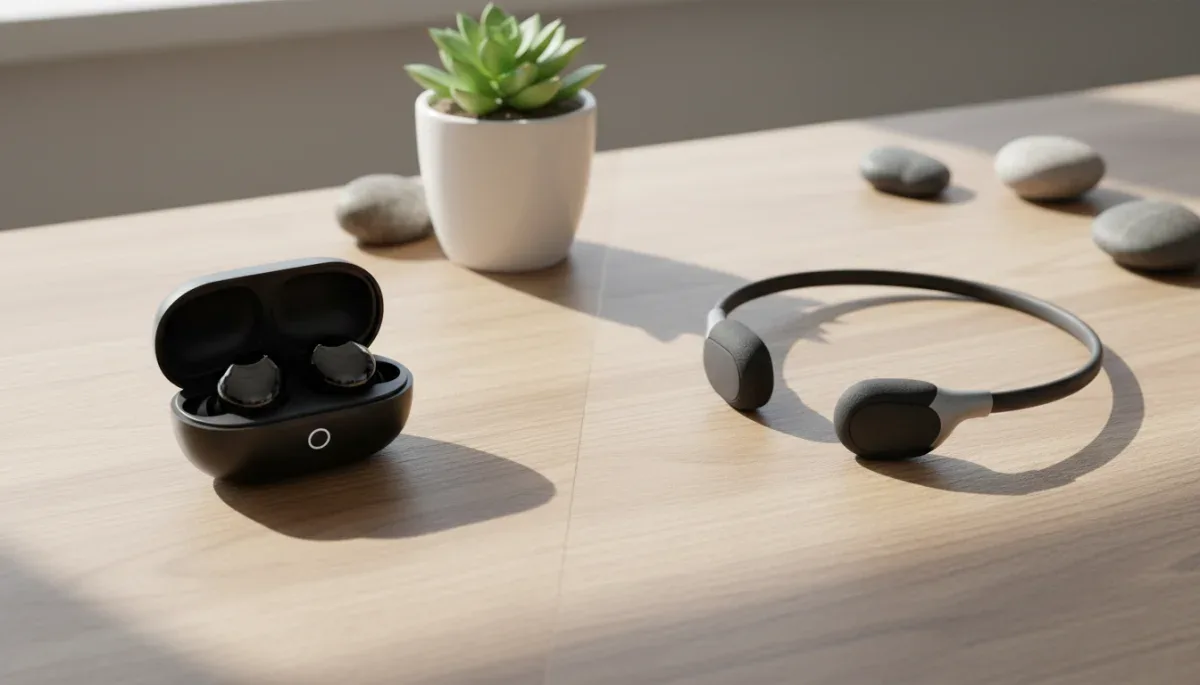
Wireless earbuds deliver audio directly through your ear canal using traditional air conduction, while bone conduction headphones transmit vibrations along your cheekbones to bypass the eardrum entirely.
Ads
This comparison helps daily commuters, office workers, and fitness enthusiasts determine which audio format fits their daily routine, though sound quality and noise isolation differ sharply between the two technologies.
Ads
How sound delivery works for each headphone style
Standard wireless earbuds rely on air conduction to reproduce sound. Tiny speakers, known as dynamic drivers or balanced armatures, move air inside the ear canal. The sound waves travel through the outer ear, strike the eardrum, and translate into auditory signals. Because the ear tips seal inside the canal, this setup creates acoustic pressure that delivers balanced frequency response and full bass tones.
Bone conduction headphones work through mechanical transducers placed against the temple or cheekbone just in front of the ear. These transducers convert digital audio signals into physical vibrations. The vibrations travel through the skull bones directly to the cochlea, which processes the sound without engaging the outer ear or eardrum. Because the ear canal remains unblocked, ambient environmental sounds pass freely into your ears alongside your chosen media.
Sound quality and ambient noise isolation
Sound fidelity represents the most noticeable divide between traditional wireless earbuds and bone conduction models. Wireless earbuds provide direct sound reinforcement and physical sealing. Premium and budget in-ear options alike can create natural resonance for lower frequencies, making musical bass lines, kick drums, and vocal harmonies sound deep and resonant.
Bone conduction headphones naturally struggle with low-end bass reproduction because bone does not transmit low-frequency air resonance effectively. Instead, heavy bass notes often register as tingling physical vibrations against the skin. Midrange frequencies, such as spoken word podcasts, audiobooks, and telephone calls, remain crisp and easy to understand on bone conduction devices.
Everyday audio performance trade-offs
- Bass depth: In-ear earbuds provide authentic low-end response, whereas bone conduction provides lighter bass with slight tactile vibration.
- Noise blocking: Earbuds block background chatter passively or actively, while bone conduction keeps you completely aware of outside noises.
- Sound leakage: High-volume listening on bone conduction frames can emit faint audible sound to people sitting nearby in quiet rooms.

Comfort and fit during prolonged daily wear
Physical comfort depends heavily on personal ear shape and daily habits. Wireless earbuds fit directly inside the ear canal or rest against the concha. Many users experience ear fatigue, moisture buildup, or localized pressure after several hours of continuous wear. Those with smaller ear canals may also find standard silicone tip sizes uncomfortable or loose during movement.
Bone conduction headsets feature a lightweight wraparound band that hooks over the tops of the ears and joins behind the neck. Because nothing enters the ear canal, they prevent ear canal irritation and allow air circulation throughout the day. However, individuals who regularly wear eyeglasses, sunglasses, or bike helmets must ensure the wraparound frame does not press against their eyeglass arms, which can create pressure points behind the ear cartilage over time.
Situational awareness and everyday safety
Safety is the primary advantage of open-ear bone conduction technology. For outdoor runners, road cyclists, and urban pedestrians, maintaining full awareness of vehicle traffic, emergency sirens, and approaching pedestrians is essential. Bone conduction allows ambient sound to enter the ear naturally at normal volume levels without requiring electronic transparency modes.
In contrast, wireless earbuds naturally muffle environmental sounds by plugging the ear canal. While many modern models include electronic ambient passthrough features that use external microphones to pipe in room sounds, these systems can occasionally introduce wind distortion or artificial hiss. In shared office spaces, bone conduction allows wearers to hear colleagues calling their names without pausing their playback or taking out an earbud.
Situations where open-ear awareness matters most
- Urban commuting: Hearing train station announcements, traffic horns, and street activity while walking.
- Outdoor training: Tracking approaching cyclists, runners, and vehicles on shared public trails.
- Shared office work: Remaining approachable and receptive to desk visits without removing audio gear.
- Household chores: Listening to audio content while monitoring doorbells, cooking timers, or family members.
Battery longevity and charging convenience
Charging methods and battery performance differ due to the physical design of each product category. True wireless earbuds store inside a portable charging case that contains its own integrated battery pack. The earbuds themselves typically operate between four and eight hours on a single charge, with the case offering two to four additional full charges before requiring a wall connection.
Bone conduction headphones are built as a single unified frame without a separate battery case. They offer between six and ten hours of continuous playback on a full charge. When the battery runs low, you must connect the entire headset directly to a charging cable, which often uses a proprietary magnetic pin connector or a covered USB-C port to maintain water resistance. For travel, this means packing a dedicated charging cord rather than relying on a self-charging pocket case.
Value and return policies across budget retailers
Pricing for both categories spans from affordable entry-level options on global retail sites to high-end branded models. Budget wireless earbuds are widely available across major online marketplaces, offering solid sound reproduction and compact cases at modest price points. Entry-level bone conduction headsets generally start slightly higher due to the specialized transducers required for bone transmission.
When purchasing personal audio equipment from discount online platforms, review the specific return guidelines carefully. Many online stores treat in-ear earbuds as personal hygiene items, meaning opened packaging may qualify only for replacement if defective rather than a standard cash refund. Open-ear bone conduction headsets sometimes carry more flexible return terms because they do not insert into body cavities, though return windows and restocking rules vary by seller.
At a glance
| Feature factor | What to know |
|---|---|
| Audio fidelity | Wireless earbuds deliver fuller bass and richer sound for music. |
| Environmental awareness | Bone conduction leaves the ear canal open to hear ambient surroundings. |
| Long-term wear | Bone conduction avoids ear canal pressure and inner-ear moisture buildup. |
| Charging setup | Earbuds recharge inside pocket cases, while bone conduction frames plug directly into cables. |
Frequently asked questions
Do bone conduction headphones leak sound to people nearby?
Yes, bone conduction headphones can leak faint audio at higher volumes. Because the transducers vibrate openly against the skin rather than sealing inside the ear canal, people sitting closely next to you in a quiet room may hear soft treble sounds during calls or music playback.
Can you wear bone conduction headphones with glasses?
Yes, bone conduction headsets work with glasses, but comfort depends on the frame design. The headset hooks over the ear where eyeglass arms rest. Placing the headset arms either over or under the glasses frame usually resolves pressure points, though thin eyeglass temples fit most comfortably.
Are wireless earbuds better for listening to music with deep bass?
Yes, wireless earbuds reproduce deep bass much better than bone conduction models. Earbuds create an airtight acoustic seal inside the ear canal that allows dynamic drivers to push low frequencies effectively, whereas bone conduction bypasses air pressure and converts bass into skin vibration.
Which style is safer for outdoor running and cycling?
Bone conduction headphones are safer for outdoor running and road cycling. Because your ear canals remain completely open, you hear passing vehicles, bicycle bells, pedestrians, and approaching hazards without relying on electronic microphone modes that can suffer from wind interference.
The bottom line
Choose wireless earbuds if your main priority is rich music quality, deep bass, and passive noise isolation for quiet studying or transit. Opt for bone conduction headphones if you need continuous situational awareness for outdoor exercise, all-day comfort without ear canal pressure, or seamless communication at work. Before you complete an online order, check the retailer return policy to confirm whether opened audio packages are eligible for refunds or exchanges.
Written by
Maria Eduarda
Maria Eduarda writes about discounts, house and electronics for onlyshein.com. Each article explains how things work, compares published details such as prices, policies and program rules, and points readers to the official source before they decide.