
Peel-and-stick vs traditional wallpaper for renters
Ads
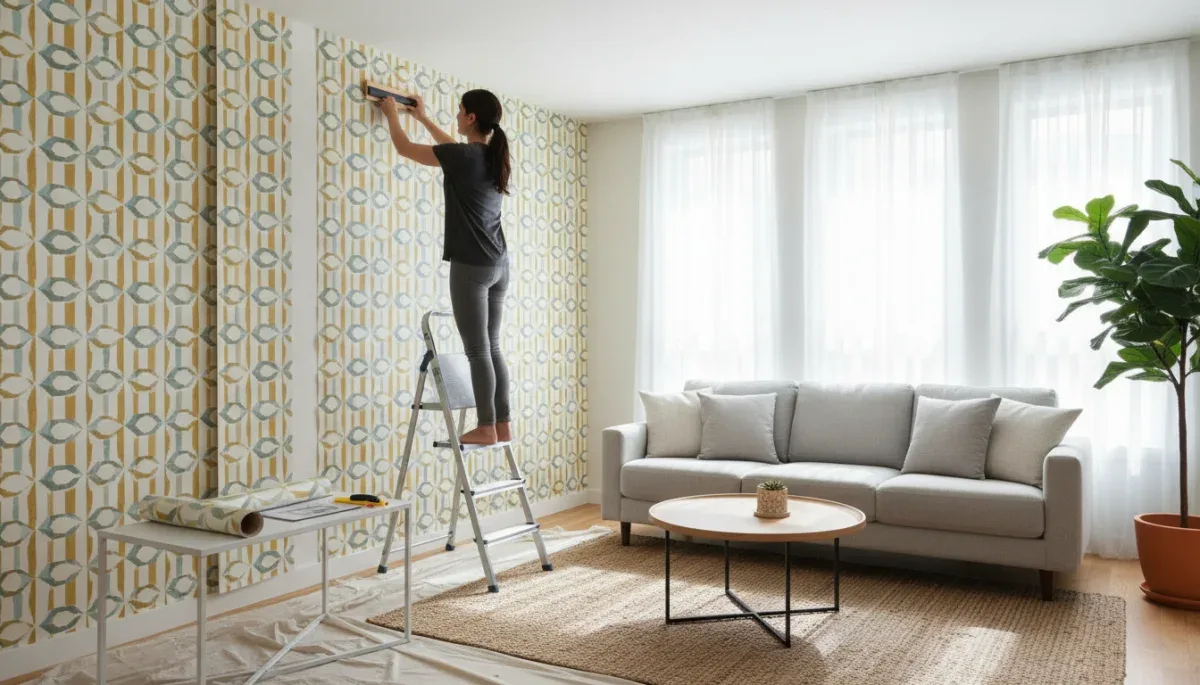
Peel-and-stick wallpaper is generally the safer and more practical choice for renters compared to traditional pasted wallpaper because it uses pressure-sensitive adhesive designed for clean removal without water, chemical strippers, or wall damage.
Ads
This comparison helps tenants and apartment dwellers balance upfront material costs, installation effort, and deposit protection, though peel-and-stick options still require specific paint conditions to stick firmly without peeling prematurely or tearing wallboard paper upon move-out.
Ads
How adhesive types impact rental walls
The primary distinction between peel-and-stick wallpaper and traditional wallpaper lies in the adhesive chemistry and how that adhesive bonds with drywall paint. Peel-and-stick products, also referred to as self-adhesive or removable wallpaper, utilize a low-tack, pressure-sensitive acrylic backing. This adhesive functions much like high-grade painter tape: it creates a secure mechanical grip on smooth surfaces while remaining pliable over years, allowing you to pull it away without leaving sticky residue or stripping underlying paint layers.
Traditional wallpaper relies on wet pastes formulated from wheat starch, methylcellulose, or vinyl-based polymers. These adhesives penetrate porous drywall surfaces and dry into a rigid, structural bond. In a rental property, removing paste-applied paper typically demands soaking the surface with water, applying chemical dissolving solutions, or using steam machines. This moisture can easily soften standard drywall paper, causing blistering, gouging, and plaster breakdown that leads to automatic security deposit deductions for wall repair and repainting.
Some traditional papers now feature non-woven backings labeled as strippable, which pull off the wall dry. However, even strippable traditional paper requires a paste that can react negatively with builder-grade flat paint commonly found in multi-family rental buildings. For renters who cannot risk wall damage, pressure-sensitive acrylic adhesives offer predictable, low-moisture removal that traditional pastes simply cannot match.
Installation effort and required tools
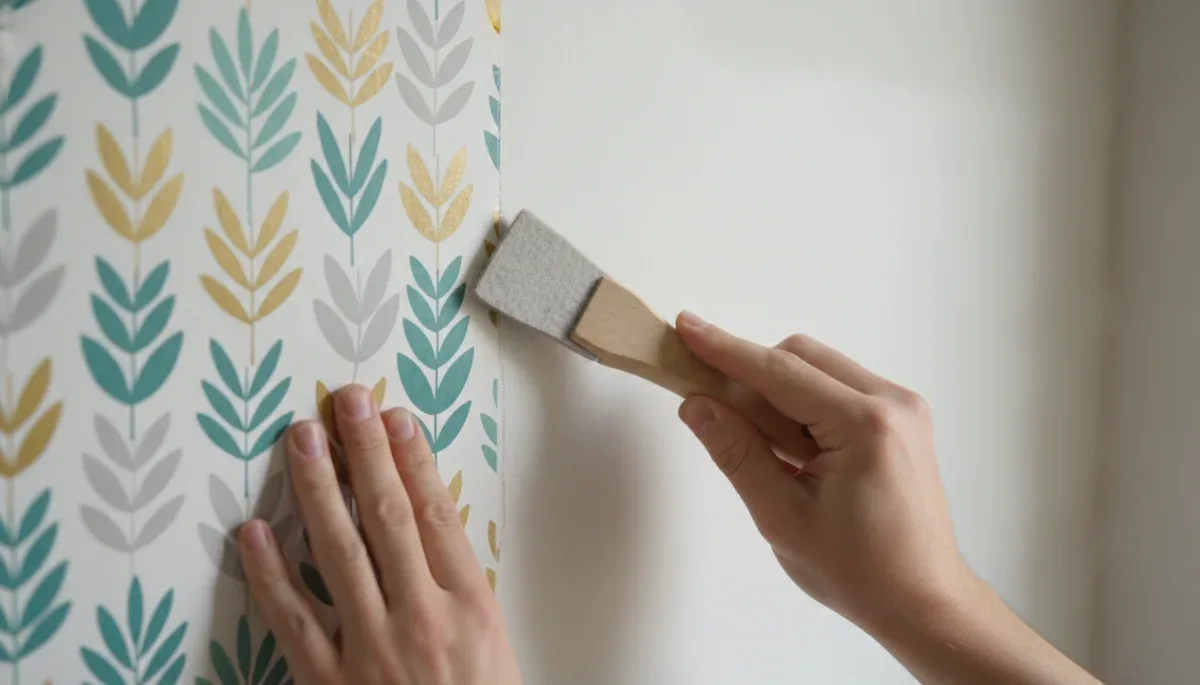
Installing peel-and-stick wallpaper requires patience and careful alignment, but it eliminates messy chemical mixing and dedicated pasting stations. You measure the vertical drop, cut your strip, peel down a small top section of the protective backing liner, and press the sheet to the wall. Because self-adhesive paper can stretch if pulled too hard, installers must smooth the material gently with a squeegee rather than tugging on edges to correct crooked seams.
Traditional wallpaper installation involves a wet application method: either soaking pre-pasted paper in a water trough or rolling liquid paste onto the wall or paper backing. This technique allows for slide, meaning you can place the sheet against the wall and glide it several millimeters in any direction to match intricate floral or geometric patterns perfectly. Peel-and-stick does not slide once pressed; if a seam is misaligned, you must gently peel back the entire section and reapply it.
Essential application tools
- Plastic smoothing tool: A flexible squeegee with a felt edge to press out trapped air bubbles without scratching decorative ink.
- Precision craft knife: A sharp utility blade to trim excess material cleanly along baseboards and ceilings without snagging.
- Steel straightedge ruler: A rigid metal guide used to support straight cuts and ensure clean, plumb vertical drops.
- Microfiber cleaning cloths: Lint-free towels paired with isopropyl alcohol to remove household dust and grease before application.
Durability and moisture resistance across rooms
The operational lifespan and environmental tolerance of wall coverings depend heavily on their substrate material. Peel-and-stick wallpaper is frequently manufactured on vinyl or woven polyester substrates. Vinyl surfaces provide inherent wipeability and resist surface stains from food or light spills, making them suitable for bedroom accent walls, rental entryways, and home office backdrops. However, sustained high humidity in unventilated bathrooms can degrade self-adhesive backings, causing edges to lift over time.
Traditional wallpaper is often produced on heavy non-woven blends, fibrous grasscloth, solid vinyl, or embossed paper. High-end traditional solid vinyl wallpaper offers superior long-term durability in high-traffic commercial hallways and humid powder rooms because the pasted bond remains impervious to steam once cured. Yet, standard natural-fiber traditional papers remain vulnerable to water staining and cannot be wiped with wet cloths without risking color bleed.
For rental properties, the expected lifespan of peel-and-stick wallpaper comfortably covers the typical one- to three-year lease term. While traditional wallpaper can remain intact for over a decade, that longevity provides minimal value to a tenant who must restore the property to its original condition at lease termination.
Removal process and security deposit risks
When move-out day arrives, the speed and cleanliness of wallpaper removal directly determine whether you forfeit a portion of your security deposit. Removing peel-and-stick wallpaper requires no specialized equipment or toxic solvents. Starting at a top corner, you peel the material downward at a steady 45-degree angle. Pulling the sheet slowly prevents tension spikes that could otherwise lift loose paint flecks from poorly primed apartment walls.
Traditional wallpaper removal is a labor-intensive, multi-stage restoration job. Installers must score the outer decorative layer using a perforated rolling tool, apply enzyme-based wallpaper stripper, wait for the paste to soften, and scrape the wall with metal putty knives. This scraping process regularly gouges drywall and leaves paste residue that repels fresh coats of latex paint, requiring full wall skim-coating and sanding before repainting.
Standard U.S. residential lease agreements contain clear clauses requiring tenants to return walls in their move-in condition, minus normal wear and tear. Because landlord repainting rates and drywall repairs are billed against tenant deposits at hourly professional labor rates, using paste-based traditional wallpaper presents a substantial financial liability compared to removable alternatives.
Upfront cost comparison and budget considerations
Budgeting for a wallpaper project involves calculating both material costs per square foot and the peripheral supplies required to finish the job. Peel-and-stick wallpaper typically carries a higher upfront cost per square foot for the paper itself compared to entry-level traditional paper rolls. However, it requires virtually zero supplementary investment in specialty pasting brushes, water troughs, seam rollers, or chemical removal kits.
Traditional wallpaper rolls may appear cheaper per square foot on retail shelves, but the total project cost expands when accounting for liquid paste, wall sizing primer, pasting tables, and eventual removal chemicals. Moreover, professional installation is frequently required for traditional wallpaper due to the complexity of handling wet, heavy sheets, whereas peel-and-stick is inherently designed as a do-it-yourself product.
Factors driving total project expense
- Pattern repeat waste: Large, complex patterns require significant pattern matching overlap, generating up to 20 percent unusable scrap.
- Wall surface square footage: Measuring total height multiplied by width while subtracting standard window and door openings.
- Installation accessories: The out-of-pocket cost for smoothing blades, replacement utility blades, level tools, and measuring tapes.
- End-of-lease restoration: Potential cleaning supplies or wall patch spackle needed to repair minor blemishes after removal.
Surface prep and paint compatibility checks
The success of peel-and-stick wallpaper hinges on the type and condition of the existing wall paint. Removable adhesives adhere most reliably to smooth, cured drywall finished with satin, semi-gloss, or eggshell paint. In contrast, zero-VOC or stain-resistant paints contain silicone or fluoropolymer additives that actively repel pressure-sensitive adhesives, causing removable wallpaper to fall off within days of installation.
Textured walls, such as orange peel, knockdown, or heavy plaster finishes, prevent peel-and-stick wallpaper from making full surface contact. The trapped air behind textured voids weakens the adhesive bond and creates a bumpy visual finish. Traditional wallpaper can occasionally bridge minor texture imperfections when installed with thick vinyl paste, but applying paste over textured walls in a rental makes removal nearly impossible without destroying the texture pattern.
If your rental was painted immediately before you moved in, you must allow the paint to off-gas and cure completely before applying peel-and-stick paper. Most paint manufacturers recommend waiting at least four weeks after painting before applying self-adhesive films to avoid trapping curing solvents that soften paint and cause it to tear during future removal.
At a glance
| Factor | What to know |
|---|---|
| Adhesive type | Peel-and-stick uses removable dry acrylic, while traditional uses wet water- or starch-based paste. |
| Installation difficulty | Peel-and-stick requires slow alignment by hand, while traditional allows wet sliding into place. |
| Removal safety | Peel-and-stick pulls off dry with minimal damage, while traditional requires soaking and scraping. |
| Wall compatibility | Peel-and-stick needs smooth, cured satin paint and fails on heavy texture or flat matte finishes. |
Frequently asked questions
Does peel-and-stick wallpaper damage rental apartment walls?
Peel-and-stick wallpaper will not damage sound, properly primed drywall when removed correctly. However, if the underlying paint is fresh, poorly bonded, or applied over unprimed drywall, the adhesive can occasionally pull up small paint chips during removal.
Can you use traditional wallpaper in a rental home?
You should generally avoid traditional pasted wallpaper in rentals unless your landlord grants explicit written permission. Traditional paste bonds permanently to drywall paper, requiring wet scraping during move-out that almost always damages wall surfaces.
How long should you wait after painting before applying peel-and-stick paper?
You should wait at least four weeks after a room is painted before applying peel-and-stick wallpaper. Applying adhesive sheets to uncured paint traps evaporating solvents, which weakens the adhesive and bonds it destructively to the paint layer.
Will peel-and-stick wallpaper stick to textured walls?
Peel-and-stick wallpaper generally fails on medium to heavily textured walls like orange peel or knockdown. The raised bumps prevent the adhesive from making continuous contact with the drywall, leading to lifting edges and visible surface irregularities.
The bottom line
Peel-and-stick wallpaper is the superior option for rental properties because it provides dramatic visual impact with minimal risk of permanent wall damage or security deposit losses upon move-out. While traditional wallpaper offers greater long-term durability and pattern slippage during installation, its paste-based bonding creates labor-intensive removal issues that conflict with standard residential lease requirements. Before ordering your rolls, test your rental wall texture and review your lease agreement to confirm your building policies on temporary wall decor.
Written by
Mariana Viana
Mariana Viana writes about house, electronics and clothes for onlyshein.com. Each article explains how things work, compares published details such as prices, policies and program rules, and points readers to the official source before they decide.