
How to check water resistance ratings on budget speakers
Ads
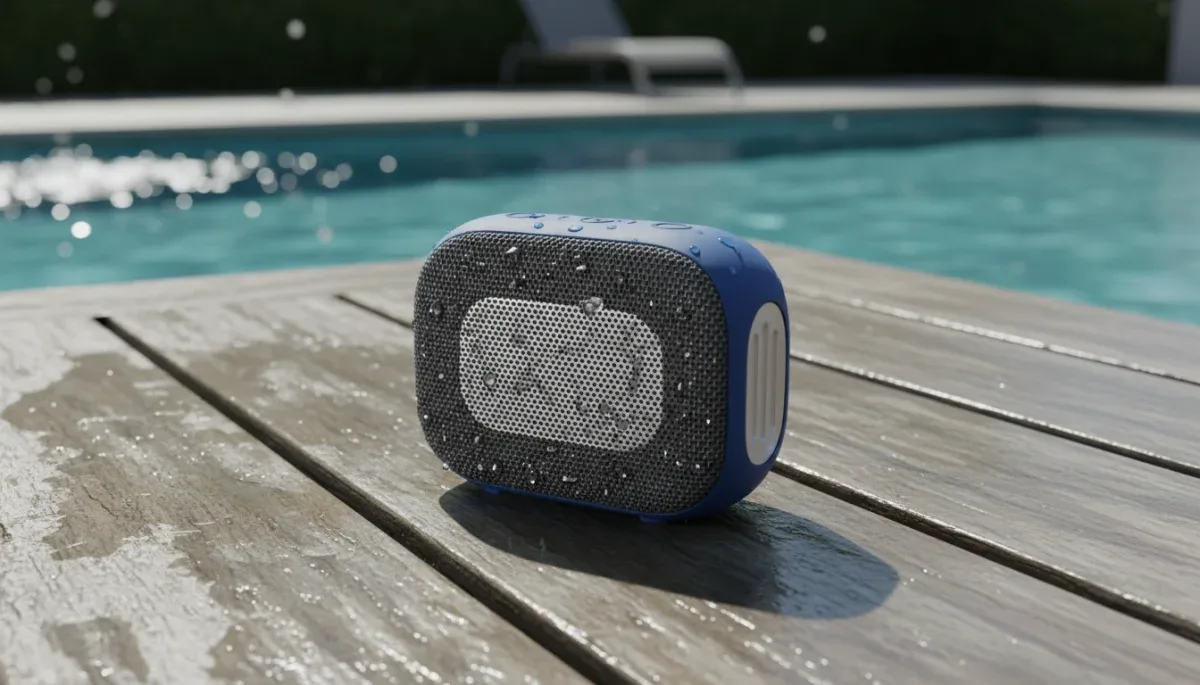
You can check speaker water resistance ratings on budget Bluetooth models by finding the official International Protection code, commonly called an IP rating, printed in the technical specifications table of the product listing or user manual. This standardized alphanumeric code reveals precisely how much liquid exposure the device can handle before internal electrical components sustain permanent damage.
Ads
This information helps budget-conscious shoppers looking for portable audio equipment for pool decks, bathroom counters, or camping trips without overpaying for unnecessary ruggedness. The catch is that inexpensive marketplace listings frequently use descriptive words like waterproof or splashproof in their promotional headlines while omitting certified testing data or burying lower ratings in the fine print.
Ads
Understanding official IP code standards
The International Electrotechnical Commission publishes standard 60529, which classifies the exact degrees of protection electrical enclosures provide against dust, accidental contact, and moisture. Rather than trusting marketing slogans, shoppers should always look for the letters IP followed by two digits or an X. When a manufacturer publishes an official rating, it indicates that the enclosure design underwent standardized laboratory procedures rather than subjective in-house evaluation.
A legitimate code follows a strict format where the first character reflects protection against solid objects such as dirt or sand, and the second character indicates liquid protection. If a manufacturer did not submit the speaker for particulate testing, the first number is replaced by the letter X. In budget electronics, finding an IPX rating is standard because liquid testing is the primary selling point for outdoor and bathroom audio devices.
Standard rating structures found on consumer audio
- IPX4 rating: Certified protection against splashing water from any direction for ten minutes.
- IPX5 rating: Protection against low-pressure water jets sprayed from a nozzle for at least three minutes.
- IPX7 rating: Protection against full immersion in fresh water up to one meter deep for thirty minutes.
- IP67 rating: Total dust-tight construction combined with thirty-minute submersion protection in one meter of fresh water.
Deciphering solid and liquid protection numbers
To evaluate whether a speaker matches your intended environment, you must read the numbers systematically. The solid particle scale runs from zero to six, where a rating of five means dust-protected and six means completely dust-tight. The liquid scale runs from zero to nine, though consumer portable speakers rarely exceed level eight. Higher numbers always indicate stricter laboratory conditions, but they do not automatically cover lower-level stress types unless explicitly stated.
For example, an IPX7 device can withstand being dropped into shallow fresh water, but it may not have been evaluated against high-pressure directional streams like those from a garden hose. Conversely, an IPX5 unit handles pressurized streams and heavy rainfall easily but cannot survive dropping into a swimming pool. Matching the specific number to your daily use case prevents accidental hardware failure.
Spotting misleading marketing terms on cheap audio gear
Inexpensive online marketplaces often feature third-party product titles loaded with unverified keywords designed to capture search traffic. Sellers may use the word waterproof in the main title of a twenty-dollar speaker, yet the detailed specification list further down the page notes only an IPX4 splash resistance. In standard engineering terminology, complete waterproofing does not technically exist, as all enclosures have pressure and time thresholds.
Be cautious of terms like water-resistant coating, splash-friendly, shower-proof, or outdoor-ready when they appear without an accompanying IP rating. These phrases carry no legal or technical requirement for laboratory verification. When a listing relies solely on adjectives and does not state an explicit IP code in the technical attributes section, treat the item as completely unprotected against liquids.
Red flags in budget product listings
- Missing technical sheets: Product pages that lack a dedicated specifications table with numbered electrical data.
- Conflicting claims: Titles advertising submersion while bullet points describe minor splash defense.
- Generic laboratory claims: Mentions of military grade testing without referencing standard certification codes.
- Unsealed charging ports: Promotional images depicting exposed USB ports under direct flowing water.
Where to locate certified rating specs before buying
Finding accurate technical data on budget shopping platforms requires bypassing the promotional photo carousel and scrolling directly to the verified specifications table. Most major retail sites organize this data under headers labeled Specifications, Technical Details, or Product Information. Look specifically for the rows designated as Ingress Protection, IP Rating, or Weather Resistance.
If the retail listing leaves the rating field blank or ambiguous, download the official digital user manual or specification sheet, which many platforms host as a PDF link near the warranty details. When shopping on import platforms or discount marketplaces, check the customer question section or search verified user reviews for the exact term IPX. Experienced buyers often photograph the physical packaging, which must display the true rating legally registered by the manufacturer.
Physical port covers and real world water protection limits
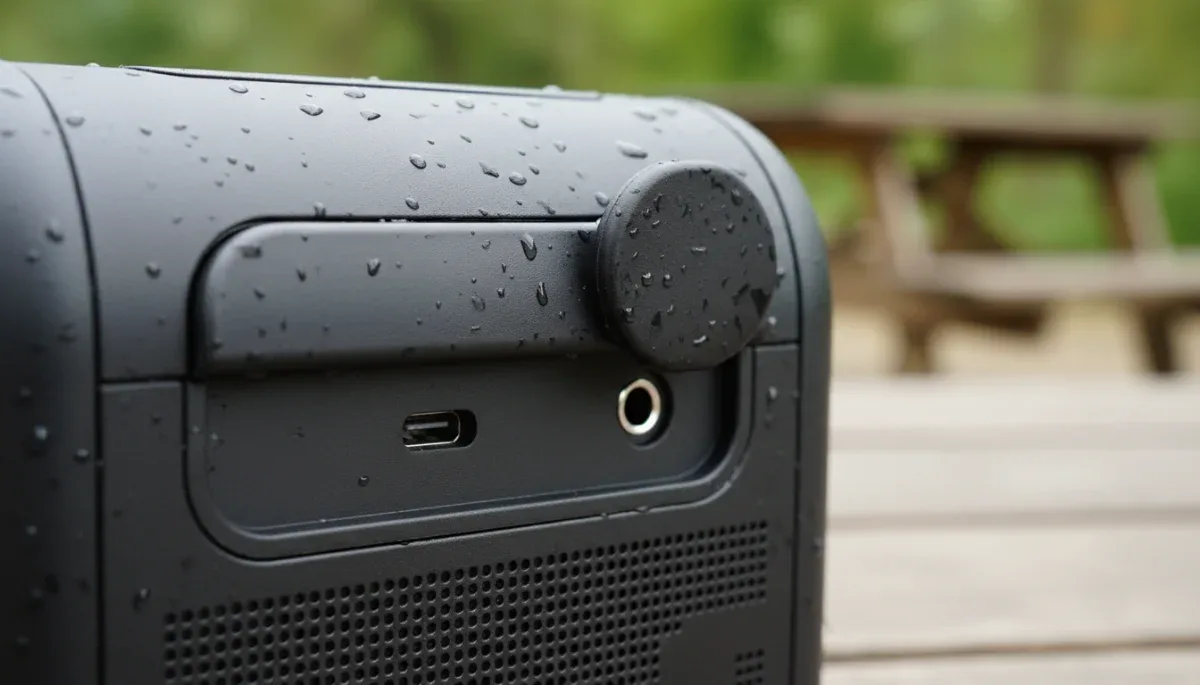
A budget speaker achieves its water resistance primarily through tight silicone gaskets, treated acoustic mesh, and thick rubber port doors that seal charging inputs and auxiliary jacks. Even if a device carries an authentic IPX7 certification, that protection is instantly compromised if the rubber port cover is misaligned, dirty, or left slightly open during exposure. Before placing any speaker near water, inspect the gasket to confirm it sits completely flush against the housing.
Furthermore, standard laboratory certifications are conducted exclusively with static, room-temperature fresh water. They do not account for the corrosive nature of chlorinated pool water, high-salinity ocean spray, or the steam and heat generated in closed shower stalls. Hot steam contains smaller vapor particles that can bypass physical gaskets, while salt and pool chemicals degrade silicone seals over time. Always rinse exposed gear with fresh tap water and dry it thoroughly before opening any port covers.
Warranty limitations regarding liquid contact damage
One critical reality of budget audio equipment is that water resistance ratings do not equate to warranty coverage for liquid damage. Consumer electronics brands across all price categories routinely exclude moisture damage from standard limited warranties. If water enters the chassis through an imperfectly sealed door or degraded acoustic membrane, repair or replacement costs fall entirely on the owner.
Most manufacturers place internal liquid contact indicators inside the charging port or chassis that permanently change color when exposed to moisture. If you submit a claim for an IPX7 speaker that stopped working after pool use, technicians checking the unit will deny coverage if that indicator has been triggered. Checking the rating beforehand is therefore a tool for your own operational safety, not a guarantee of legal recourse if the device fails.
At a glance
| Protection Level | What to know |
|---|---|
| IPX4 to IPX5 | Handles minor splashes and direct rain but fails completely if submerged in water. |
| IPX7 to IPX8 | Survives temporary immersion in shallow fresh water provided all port covers remain sealed. |
| IP67 combined | Provides full dust protection alongside fresh water immersion resistance for rugged outdoor use. |
| Unrated models | Offers zero certified moisture defense and should be kept away from bathrooms and pools. |
Frequently asked questions
Can I use an IPX4 rated speaker inside the shower?
An IPX4 speaker can handle indirect water splashes outside the stream, but it should not be mounted directly under the showerhead. Steam and high-pressure directional water can easily penetrate enclosures that only hold splash-level certifications, leading to internal component corrosion over time.
Does an IPX7 rating mean the speaker floats in water?
An IPX7 rating indicates water resistance during submersion, not buoyancy. Unless the manufacturer explicitly designed the internal chamber with sufficient air displacement to float, an IPX7 speaker will sink to the bottom of a pool while remaining protected from water ingress.
How do I know if my speaker rating is real?
You can verify a rating by checking the physical user manual and packaging for official IEC compliance text rather than relying on promotional graphics. Authentic ratings list explicit test parameters and avoid vague terms like fully waterproof in technical descriptions.
Can salt water damage a water resistant Bluetooth speaker?
Salt water corrodes internal electronics and degrades rubber gaskets much faster than fresh tap water. Even if your speaker has an IP67 rating, exposure to ocean water requires an immediate gentle rinse with fresh water and complete air drying before charging.
The bottom line
Checking speaker water resistance ratings requires looking past descriptive marketing terms and identifying certified IP codes in the official technical specifications. Match the numeric rating to your planned environment, ensuring that high-moisture settings like pools and bathrooms are paired with IPX5, IPX7, or IP67 hardware. Before exposing your speaker to water, always inspect the physical rubber charging flap to confirm the seal is fully closed and undamaged.
Written by
Maria Eduarda
Maria Eduarda writes about discounts, house and electronics for onlyshein.com. Each article explains how things work, compares published details such as prices, policies and program rules, and points readers to the official source before they decide.