
How fast fashion trial centers work and their rules
Ads
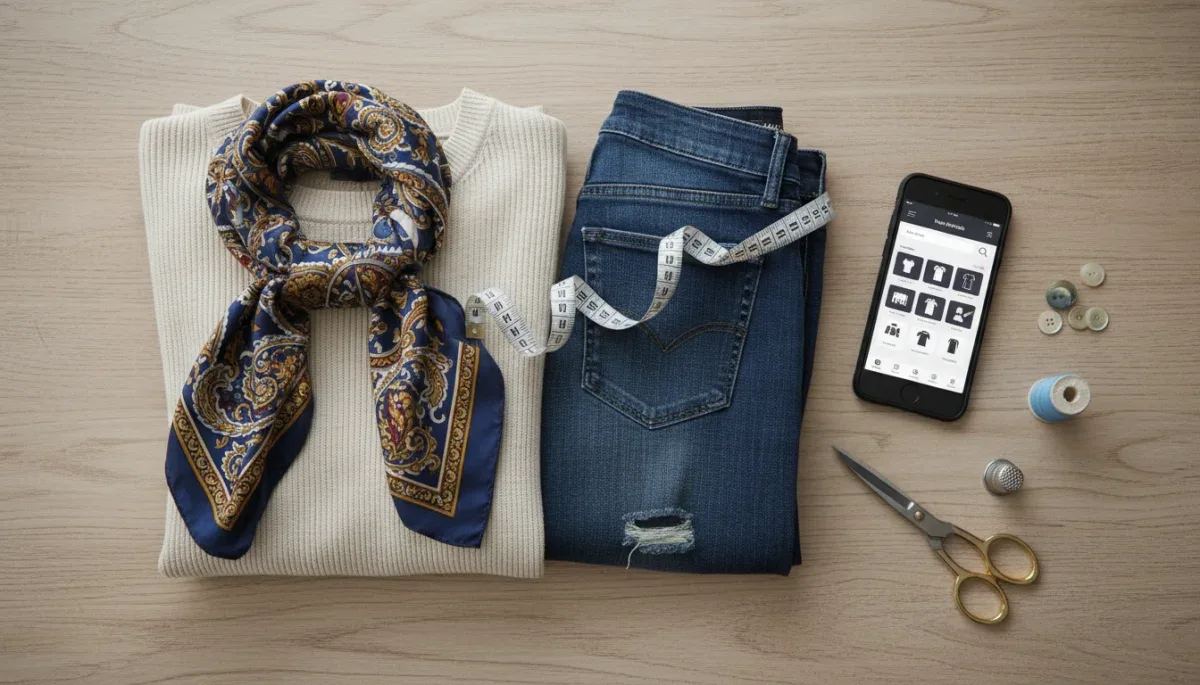
Fast fashion trial centers are official portal features within retail apps where registered shoppers can request complimentary sample merchandise in exchange for honest, comprehensive product evaluations. These promotional programs allow brands to collect crowd-sourced sizing feedback, identify manufacturing defects, and generate verified customer images before items sell out or enter major seasonal campaigns.
Ads
This process benefits budget-conscious consumers who want to test new styles without spending money, but the system functions as a high-volume automated lottery rather than a guaranteed shopping perk. High applicant volume means selection rates remain modest, and participants must follow strict operational deadlines to maintain eligibility.
Ads
The operational structure of retailer sample programs
Most major fast fashion platforms, including SHEIN and similar high-inventory online retailers, run sample testing programs directly inside their official mobile applications and regional websites. Within these designated trial hubs, the merchant presents a revolving weekly catalog of apparel, accessories, and home goods selected for consumer evaluation. Rather than sending promotional boxes to verified social media personalities, these platforms open sampling opportunities to every consumer with a standard customer account in good standing.
Behind the customer interface, an automated management system oversees the entire lifecycle of each trial batch. The software displays each garment with its available sizes, current stock allocation for trials, and the total count of competing applicants. Retailers allocate a limited number of units per item, typically between five and thirty pieces per regional pool, while receiving thousands of submissions over a single seven-day window. This setup generates structured demand data for the retailer while testing customer interest in emerging silhouettes, unfamiliar synthetic fabrics, and experimental cut patterns.
When an individual submits an entry through the trial interface, the platform logs the account identifier, delivery location, purchase frequency, and previous review completion history. No money transfers between the buyer and the merchant during entry, and official programs do not request payment methods, processing fees, or shipping deposits during the application phase. The entire administrative workflow operates on the company platform without involvement from external fulfillment brokers or third-party marketing services.
Weekly application limits and account eligibility requirements
To prevent automated bot abuse and maintain fair access, retailers enforce explicit structural constraints on who can apply and how often entries may be submitted. On platforms such as SHEIN, the standard protocol permits each registered account to submit a maximum of three trial requests within a single week cycle. This quota refreshes on a fixed calendar schedule, resetting unused chances rather than allowing them to accumulate across cycles.
Standard entry criteria across major apparel portals
- The applicant must possess an active retail account with a verified email address and a confirmed domestic shipping destination.
- The account must remain in positive compliance standing, with no record of suspicious return disputes, chargebacks, or multiple account creation.
- The applicant must select an exact sizing option during entry submission, which cannot be modified once the system registers the application.
- Applicants can choose up to three distinct product listings per weekly cycle across all active categories in the trial portal.
Account standing plays a central role in whether an entry progresses through the platform screening filters. While first-time shoppers are technically eligible to participate immediately after profile verification, retailers prioritize profiles with steady account activity. Having previous standard orders on file helps establish that the shipping address is legitimate, that past packages cleared regional customs successfully, and that the owner regularly accesses the platform from an authentic consumer device.
Creating secondary or duplicate accounts from the same physical address or device hardware to bypass the weekly cap violates the published rules across major platforms. When automated fraud filters detect overlapping internet protocol addresses, identical payment profiles, or duplicated physical shipping details across multiple user handles, the merchant may block trial center privileges or permanently restrict the associated profiles from receiving future promotional benefits.
How automated selection algorithms choose recipients
Fast fashion trial centers do not employ human review committees to read through thousands of weekly applications one by one. Instead, proprietary selection algorithms evaluate the applicant pool using predefined business parameters designed to maximize the promotional return on each complimentary unit distributed. Understanding these underlying technical mechanics helps dispel common misconceptions regarding favoritism, instant access methods, or guaranteed winning strategies.
The system evaluates multiple background factors simultaneously. Account engagement metrics represent one key tier: the algorithm checks whether the applicant regularly browses product listings, adds items to personal wishlists, and completes verified post-purchase evaluations on paid merchandise. A user who consistently uploads clear, informative photos and useful sizing breakdowns on regular purchases presents less fulfillment risk to the retailer than an inactive account that has never contributed community feedback.
Geographic logistics also influence distribution patterns. Retail distribution centers need to verify international transport timelines and regional fit satisfaction across diverse territories. An item might be allocated to applicants across varying metropolitan and suburban ZIP codes to determine whether sizing conforms across different customer profiles. The software balances allocations so that sample units do not concentrate exclusively within one single delivery zone, optimizing logistical feedback for the regional logistics team.
Finally, a controlled randomization element governs the final cut within each qualified applicant tier. Even when two accounts display comparable activity histories and address validity, the algorithm applies a random draw mechanism to pick the final winners. Because tens of thousands of users apply for trending jackets, formal dresses, or viral accessories, individual odds on high-demand listings remain low. Conversely, niche items, basic loungewear, or lesser-known home decor accessories often attract fewer submissions, resulting in statistically higher selection odds for adventurous shoppers willing to browse outside popular categories.
Mandatory review guidelines and photo requirements
Receiving an item from a trial portal is not an unconditional gift; it is a transactional exchange of goods for evaluative labor. When a user is selected, the retailer ships the product at no expense to the recipient using standard domestic logistics. Once tracking records confirm delivery, a strict contractual window opens—typically requiring the user to produce and publish an exhaustive review report within ten calendar days of arrival.
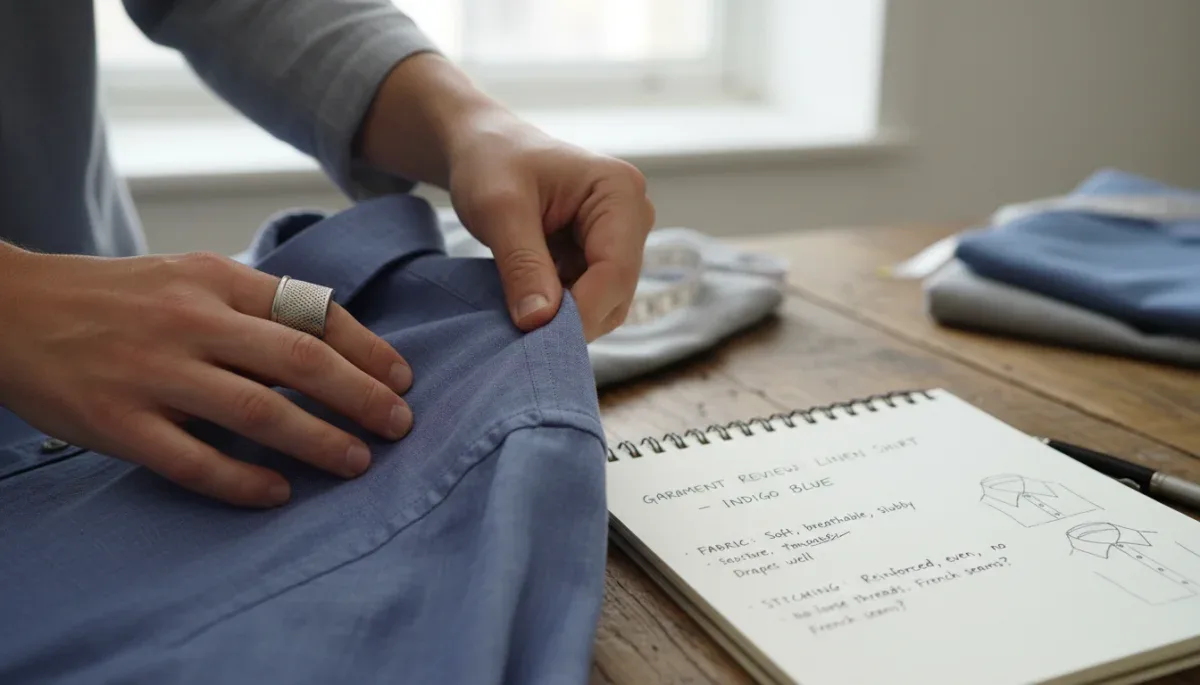
The published trial rules outline explicit qualitative standards that the submitted report must satisfy before the system approves the evaluation. A simple one-sentence confirmation stating that the garment fits well does not meet the legal terms of the trial center agreement. Reviewers are obligated to address distinct practical categories to help future prospective buyers navigate purchasing decisions accurately.
Core components required in official trial reports
- A written assessment detailing fabric texture, elasticity, opacity, and stitching integrity under natural indoor lighting conditions.
- An objective breakdown of dimensional fit, explicitly noting whether the garment corresponds accurately to the official merchant size chart.
- Clear, in-focus original photographs displaying the entire garment, including full-length angles and close-up views of seams, collars, or zippers.
- Practical observations highlighting styling versatility, comfort during regular movement, and potential garment care requirements.
Retail platforms enforce automated content checks alongside manual content moderation to filter out copied, manipulated, or incomplete submissions. Images pulled from promotional stock libraries, copied from other customer reviews, or heavily altered with visual filters are automatically flagged and rejected. If an initial review submission fails to meet clarity standards, the user usually receives one opportunity to revise the text and re-upload authentic images before the administrative window closes.
Failure to submit an approved review within the designated time frame produces direct repercussions for the user profile. The platform automatically notes the unfulfilled obligation, blocking that account from accessing future trial cycles indefinitely. Furthermore, the merchant may restrict the account from participating in related community promotions, customer sample panels, or point-redemption programs across the main application.
Shipping, taxes, and return policy restrictions
One of the most persistent inquiries regarding fast fashion trial centers concerns hidden logistical fees. Under standard corporate terms, the retailer covers both product manufacturing costs and basic regional transport expenses for chosen participants. The recipient does not pay domestic postage, handling surcharges, or warehousing administrative fees at delivery, provided the shipment stays within the standard commercial delivery envelope.
Regarding import tariffs and local sales tax, parcels delivered within the United States generally enter under standard consumer de minimis provisions, meaning sample items valued at modest price points do not incur additional border duties. However, state tax treatments regarding zero-dollar promotional sample goods vary across municipal jurisdictions. Under the published platform terms, any non-standard local import levies or unique regional courier clearance assessments remain the theoretical responsibility of the recipient, though standard consumer trial shipments rarely trigger these measures.
Return and exchange rights for trial center goods differ completely from regular retail merchandise. Products acquired through sample programs are strictly classified as final-allocation items. Recipients cannot send the garment back in exchange for store credit, customer reward points, or electronic gift cards. More importantly, participants cannot request a size exchange if the requested garment proves too tight or loose upon arrival. The user must review the exact item and size selected during the initial application, providing an objective evaluation of how that specific cut behaves relative to the published measurements.
In instances where an item arrives visibly damaged during transit or fails to arrive due to courier misplacement, the recipient must report the situation directly through official platform support rather than filing an uncoordinated credit dispute. Customer service can officially close out the trial obligation on the account record, preventing the system from penalizing the shopper for a missed review report while preserving their standing for subsequent weekly entry cycles.
Distinguishing official trial portals from external scams
The popularity of fast fashion sampling programs has generated a widespread ecosystem of deceptive external schemes designed to harvest private consumer credentials and financial data. Malicious operators set up spoofed domains, social media advertisements, and sponsored video campaigns promising boxes of free fast-fashion clothing or instant acceptance into exclusive product testing teams. Recognizing how legitimate platforms operate is essential to safeguarding personal security.
Authentic fast fashion trial centers operate exclusively within the merchant official, verified mobile software or directly on their encrypted primary domain. A legitimate trial program will never send unsolicited text messages containing shortened web links, demand payment for customs clearance, or require users to complete third-party identity surveys to unlock access. Any website demanding bank card numbers, payment verification deposits, or credit report subscriptions to qualify for free clothing is an unauthorized external phishing entity completely unaffiliated with legitimate retail programs.
Practical guidelines for maintaining consumer account safety
- Only access trial interfaces through the official application downloaded from recognized app marketplaces or via secured direct bookmarks.
- Never pay shipping deposits, handling charges, or insurance fees to claim an alleged free trial package from third-party social media campaigns.
- Verify that notifications regarding sample wins originate within your personal account message inbox rather than external email addresses.
- Avoid engaging with third-party software tools, browser scripts, or paid guides claiming to guarantee sample wins through algorithm manipulation.
Using automated browser scripts, commercial auto-clickers, or outsourced application services to submit trial entries represents a direct breach of merchant user agreements. When retailer security systems detect robotic entry traffic coming from a specific user profile, they routinely implement silent account blacklists. Under these restrictions, the account interface appears to submit weekly applications normally, but the backend systems drop the user handle from the actual selection pool before the algorithm runs, rendering ongoing attempts completely ineffective.
At a glance
| Program factor | What to know |
|---|---|
| Weekly application limit | Shoppers may select up to three items each week on official platform portals. |
| Selection mechanics | Automated algorithms evaluate account history, regional logistics, and random draws. |
| Review obligations | Recipients must upload comprehensive text and real photos within ten days of receipt. |
| Financial and exchange rules | Sample items involve zero shipping costs but cannot be returned, exchanged, or refunded. |
Frequently asked questions
Do I have to pay shipping fees if my application is chosen?
No, official fast fashion trial centers cover domestic shipping and handling costs for chosen applicants. You are not required to provide a credit card or pay delivery surcharges to receive an approved sample product. Any prompt asking for transport fees indicates an unauthorized third-party scheme.
Can I return or exchange a trial item if it does not fit?
No, trial center merchandise is provided on a final basis and cannot be returned, exchanged, or redeemed for cash. You must evaluate the exact piece and size you originally requested, noting any discrepancies between the garment dimensions and the merchant size chart in your review.
What happens if I forget to submit the required trial review?
Failing to submit an approved evaluation within the ten-day deadline permanently disqualifies your account from entering future trial cycles. The platform records the missed submission on your profile and may restrict your participation in community promotions, reward programs, and promotional sampling events across the entire application.
How can I increase my chances of being selected for sample trials?
Maintain an active, verified account in good standing and regularly post informative reviews with clear photos on standard purchases. Additionally, applying for less competitive catalog categories rather than viral trending items increases your statistical probability of being selected by the automated distribution algorithm.
The bottom line
Fast fashion trial centers provide an authentic, cost-free avenue to sample apparel and household goods, provided you understand the automated nature of the selection system and adhere strictly to the post-delivery review timeline. These platforms rely on thorough, objective community assessments to evaluate manufacturing quality, making your written and visual feedback the essential price of admission. Before applying, review the merchant official trial center rules in your app settings to confirm current submission deadlines and regional eligibility requirements.
Written by
Rita Luiza
Rita Luiza writes about clothes for onlyshein.com. Each article explains how things work, compares published details such as prices, policies and program rules, and points readers to the official source before they decide.