
Advertisements
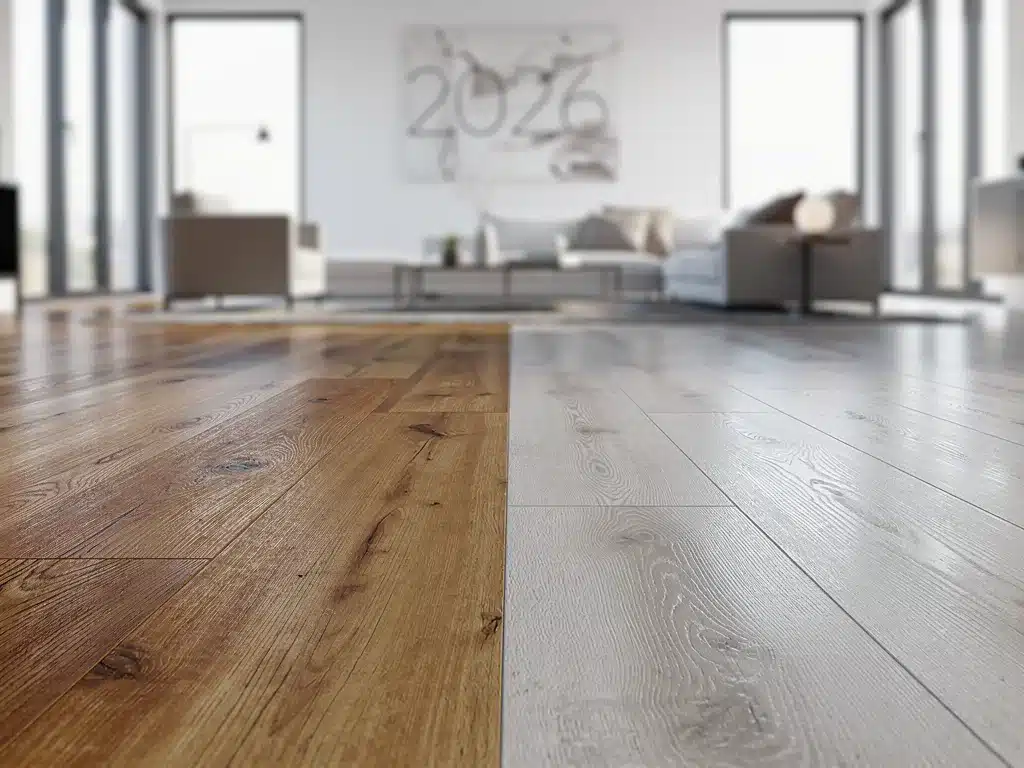
The 2026 market presents a critical comparison between Engineered Hardwood and Luxury Vinyl Plank. This analysis delves into durability, cost-effectiveness, and aesthetic value. Homeowners and builders can leverage this data for informed, future-proof flooring choices. Understanding these distinctions is crucial for long-term satisfaction and investment returns.
Engineered Hardwood vs. Luxury Vinyl Plank: The 2026 Durability and Price Analysis is shaping today’s agenda with new details released by industry experts and market forecasts. This update prioritizes what changed, why it matters, and what to watch next in the dynamic flooring sector. Homeowners and contractors alike are keenly observing these trends.
Understanding the Core Differences in 2026
As we navigate 2026, the distinction between engineered hardwood and luxury vinyl plank (LVP) is becoming increasingly refined. Each material offers unique advantages and disadvantages, heavily influencing consumer choices and market demand. These differences extend beyond mere aesthetics, touching upon performance, maintenance, and long-term value.
Advertisements
Engineered hardwood, with its real wood veneer, continues to appeal to those seeking natural beauty and warmth. Conversely, LVP has cemented its position as a highly versatile and resilient synthetic alternative. The ongoing technological advancements in manufacturing processes for both materials are continuously blurring previous lines of comparison.
This evolving landscape necessitates a clear, updated understanding of what each flooring type brings to the table in 2026. Informed decisions are paramount for homeowners looking to invest in a durable and aesthetically pleasing solution. The critical comparison of Engineered Hardwood vs. Luxury Vinyl Plank: The 2026 Durability and Price Analysis remains a top priority.
Advertisements
Durability: A Key Factor in the 2026 Flooring Market
Durability stands as a cornerstone in the decision-making process for any flooring investment, especially when considering Engineered Hardwood vs. Luxury Vinyl Plank: The 2026 Durability and Price Analysis. Both options have made significant strides in enhancing their resilience, but their inherent compositions dictate distinct performance characteristics. Understanding these nuances is crucial for matching the right floor to specific lifestyle needs.
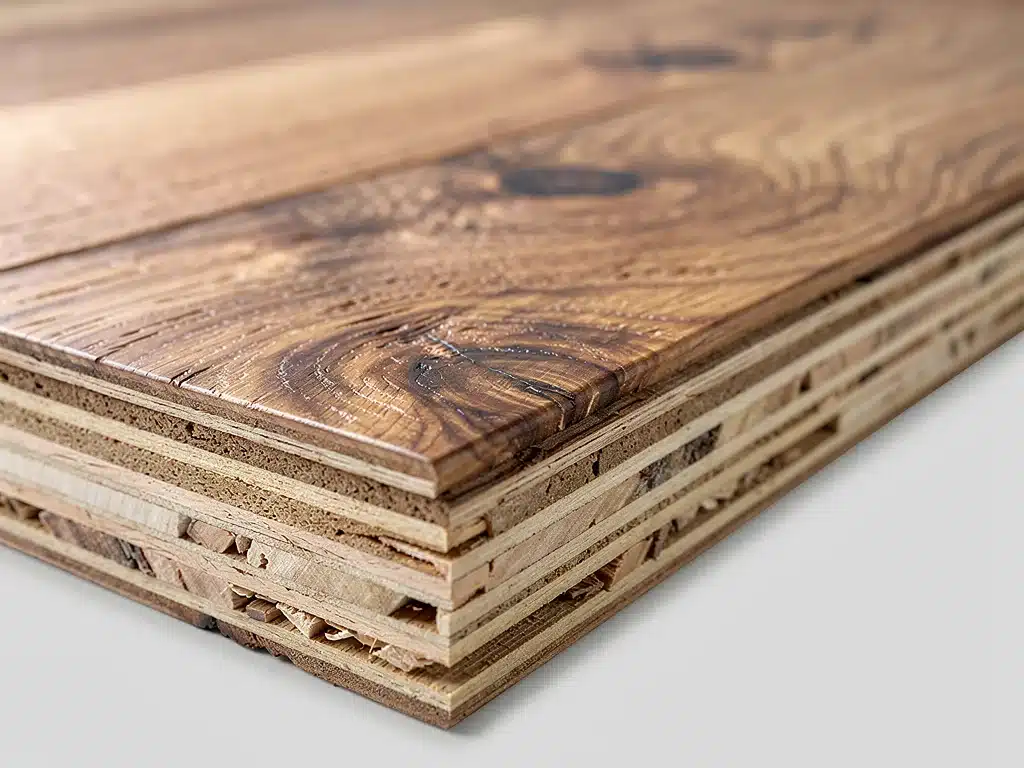
Engineered hardwood, while offering the timeless appeal of real wood, typically features a layered construction that provides enhanced stability compared to solid hardwood. Its resistance to moisture and temperature fluctuations has improved, making it suitable for a wider range of environments. However, its natural wood wear layer remains susceptible to scratches and dents from heavy traffic or sharp objects.
Luxury Vinyl Plank, on the other hand, is renowned for its exceptional durability, particularly its waterproof properties and resistance to scratches, dents, and stains. Its multi-layered structure, often including a robust wear layer, makes it an ideal choice for high-traffic areas, pet-friendly homes, and moisture-prone rooms like bathrooms and kitchens. The advancements in LVP technology mean it can mimic natural materials with remarkable accuracy while outperforming them in resilience.
Engineered Hardwood Durability Metrics
- Wear Layer Thickness: Thicker wear layers (e.g., 3-6mm) allow for multiple refinishes, extending the floor’s lifespan significantly.
- Core Stability: Plywood or HDF cores enhance dimensional stability, reducing warping and gapping in varying humidity.
- Finish Technology: Advanced finishes, including aluminum oxide, provide increased scratch and abrasion resistance for everyday use.
Luxury Vinyl Plank Durability Metrics
- Wear Layer Rating: Measured in mils, a higher mil rating (e.g., 20 mil or more) indicates superior resistance to heavy commercial traffic.
- Waterproof Core: SPC (Stone Plastic Composite) and WPC (Wood Plastic Composite) cores offer 100% waterproof performance, preventing swelling or buckling.
- Dent and Scratch Resistance: The synthetic composition and protective wear layers make LVP highly resilient against impacts and abrasive forces.
Price Analysis: Investing in Engineered Hardwood vs. Luxury Vinyl Plank in 2026
The financial implications are often a primary driver when homeowners weigh Engineered Hardwood vs. Luxury Vinyl Plank: The 2026 Durability and Price Analysis. While initial costs can vary widely, a comprehensive price analysis must extend beyond the sticker price to include installation, maintenance, and potential long-term value. Market dynamics in 2026 show continued fluctuations in raw material costs and manufacturing efficiencies impacting both flooring types.
Engineered hardwood typically commands a higher upfront cost per square foot compared to LVP, reflecting its genuine wood composition and often more intricate manufacturing process. The price can further escalate depending on the wood species, plank width, and wear layer thickness. Installation costs for engineered hardwood can also be higher, particularly if professional installation is required, which is often recommended for optimal results.
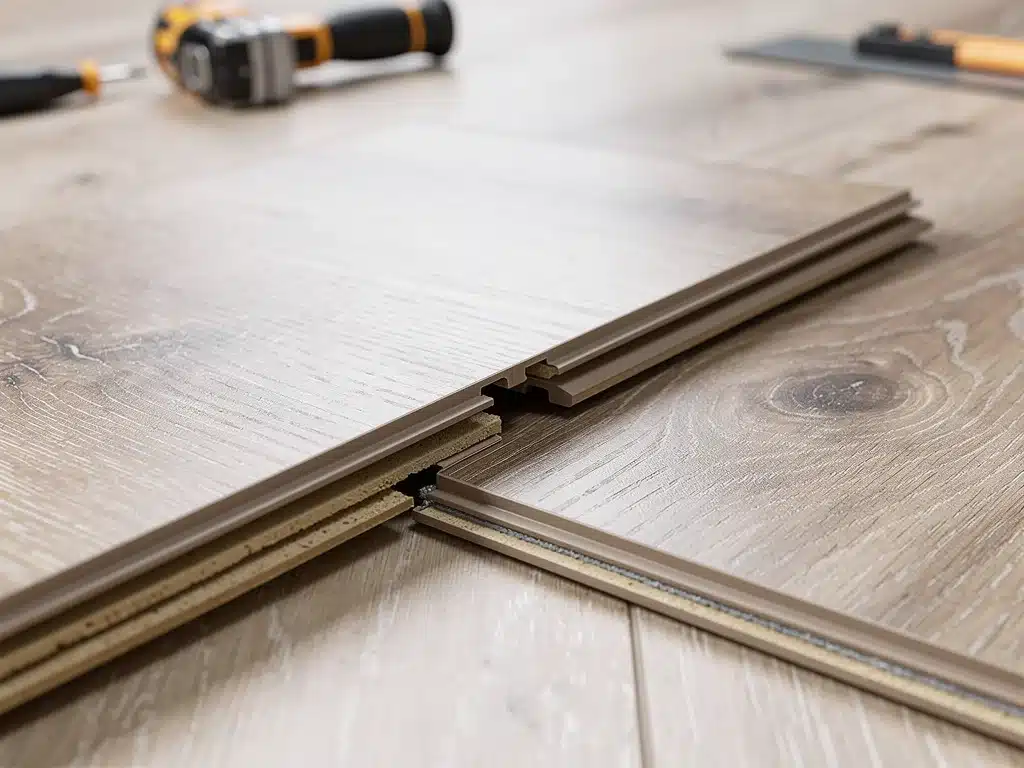
Luxury Vinyl Plank generally presents a more budget-friendly option, both in terms of material cost and installation. Its click-lock systems often allow for DIY installation, significantly reducing labor expenses. Despite its lower price point, advancements in LVP quality mean that even more affordable options can offer impressive aesthetics and durability, making it an attractive proposition for cost-conscious consumers.
Cost Considerations for Engineered Hardwood
The price of engineered hardwood can range from $4 to $13 per square foot for materials, with installation adding another $3 to $8 per square foot. These figures can fluctuate based on regional labor rates and the complexity of the installation. Factors like subfloor preparation can also contribute to the overall project cost, potentially increasing the investment significantly.
Maintenance costs, while not immediate, should also be factored in. While engineered hardwood is generally easier to maintain than solid hardwood, periodic cleaning and occasional refinishing (if the wear layer allows) are necessary to preserve its appearance and extend its life. These long-term expenses contribute to the total cost of ownership over the floor’s lifespan.
Resale value is another aspect where engineered hardwood often shines. Real wood floors are frequently perceived as a premium feature by homebuyers, potentially increasing a property’s market value. This intangible benefit can offset some of the higher initial investment, making it a sound long-term decision for many homeowners.
Cost Considerations for Luxury Vinyl Plank
Luxury Vinyl Plank typically costs between $2 and $7 per square foot for materials, with professional installation ranging from $1 to $4 per square foot. These lower costs make LVP an accessible option for a broader range of budgets. Its ease of installation, particularly for floating click-lock systems, can dramatically reduce overall project expenses for those opting for a DIY approach.
Maintenance for LVP is generally minimal, requiring only regular sweeping and occasional damp mopping. There’s no need for refinishing or special treatments, which translates to lower long-term maintenance costs. Its inherent resistance to water and stains also means fewer concerns about costly repairs due to spills or moisture damage.
While LVP might not historically carry the same resale value perception as engineered hardwood, its growing popularity and advanced aesthetics are changing this dynamic. Modern LVP can significantly enhance a home’s appeal, especially in areas where durability and moisture resistance are highly valued, offering a strong return on investment in its own right.
Aesthetics and Design Trends in 2026
The aesthetic appeal and ability to align with current design trends are pivotal in the ongoing debate of Engineered Hardwood vs. Luxury Vinyl Plank: The 2026 Durability and Price Analysis. Both flooring types have evolved to offer an impressive array of styles, colors, and textures, catering to diverse design preferences. The key lies in understanding how each material achieves its visual impact and how well it integrates with contemporary interior design movements.
Engineered hardwood, by its very nature, provides the authentic beauty of real wood, with its unique grain patterns, knots, and natural variations. In 2026, trends lean towards wider planks, lighter stains, and matte or low-sheen finishes that emphasize the wood’s organic texture. The ability to choose from a vast selection of wood species, each with its distinct character, allows for highly customized and luxurious interiors.
Luxury Vinyl Plank has made remarkable advancements in replicating the look and feel of natural materials, including wood and stone. High-definition printing technologies and embossed textures create incredibly realistic visuals, often indistinguishable from their natural counterparts. The 2026 trends for LVP include distressed wood looks, large format tiles mimicking natural stone, and innovative patterns that offer both sophistication and practicality.
Installation and Maintenance: Practicalities for Homeowners
Beyond initial costs and aesthetics, the practical aspects of installation and ongoing maintenance significantly influence the long-term satisfaction with any flooring choice. When comparing Engineered Hardwood vs. Luxury Vinyl Plank: The 2026 Durability and Price Analysis, these operational considerations can often tip the scales for homeowners. Ease of installation can reduce immediate project stress and costs, while straightforward maintenance saves time and money over the lifespan of the floor.
Engineered hardwood typically requires professional installation, particularly for glue-down or nail-down methods, to ensure proper adhesion and prevent future issues. While floating installations are possible, they still demand a meticulously prepared subfloor and a good understanding of expansion gaps. This professional requirement adds to the overall project expense but ensures the longevity and performance of the floor.
Luxury Vinyl Plank, especially those with click-lock or loose-lay systems, is often marketed as a DIY-friendly option. Its flexibility and ease of cutting simplify the installation process, making it accessible to homeowners with basic tools and some DIY experience. This can lead to substantial savings on labor costs, making LVP an even more attractive option for those on a tighter budget or those who enjoy home improvement projects.
Engineered Hardwood Maintenance Considerations
Maintaining engineered hardwood involves regular sweeping or vacuuming to remove dirt and grit, which can scratch the surface. Damp mopping with a manufacturer-approved cleaner is generally recommended, avoiding excessive water. While engineered hardwood is more resistant to moisture than solid hardwood, spills should be cleaned up promptly to prevent damage. Depending on the wear layer, some engineered hardwoods can be refinished once or twice, extending their life and refreshing their appearance.
Protecting engineered hardwood from direct sunlight, heavy furniture, and high heels is crucial to prevent premature wear and fading. Using rugs in high-traffic areas and furniture pads can significantly prolong the floor’s pristine condition. Investing in quality cleaning products and following manufacturer guidelines are key to preserving the beauty and durability of engineered hardwood over time.
Despite the care required, many homeowners find the maintenance of engineered hardwood a small trade-off for the natural beauty and warmth it brings to a home. Its ability to be refurbished offers a sustainable aspect, allowing the floor to be renewed rather than replaced. This long-term perspective is vital when evaluating Engineered Hardwood vs. Luxury Vinyl Plank: The 2026 Durability and Price Analysis.
Luxury Vinyl Plank Maintenance Considerations
Luxury Vinyl Plank is celebrated for its low-maintenance requirements, making it an ideal choice for busy households. Regular sweeping or vacuuming is sufficient to keep it clean, and occasional damp mopping with a mild, pH-neutral cleaner will handle most spills and dirt. Its waterproof nature means that spills are less of a concern, and it can withstand frequent cleaning without damage.
Unlike engineered hardwood, LVP does not require refinishing, waxing, or special polishes. Its wear layer is designed to resist scratches and scuffs, though using felt pads under furniture is still recommended to prevent any potential damage. The robust nature of LVP makes it exceptionally forgiving, standing up well to pets, children, and high-traffic areas without showing significant signs of wear.
The minimal maintenance demands of LVP contribute to its overall cost-effectiveness and appeal. This ease of care, combined with its durability and aesthetic versatility, positions LVP as a strong contender in the market. When considering Engineered Hardwood vs. Luxury Vinyl Plank: The 2026 Durability and Price Analysis, the low maintenance aspect of LVP is a significant advantage for many consumers.
Environmental Impact and Sustainability in 2026
The environmental footprint of flooring materials is an increasingly important factor for consumers and manufacturers in 2026. As sustainability gains prominence, the production, lifespan, and disposal of flooring products are under scrutiny. Evaluating Engineered Hardwood vs. Luxury Vinyl Plank: The 2026 Durability and Price Analysis must include a look at their respective ecological implications.
Engineered hardwood, derived from real wood, often utilizes rapidly renewable wood species for its core layers and a thinner veneer of slower-growing, more valuable wood. This efficient use of timber resources can make it a more sustainable option than solid hardwood, provided the wood is sourced from sustainably managed forests. Certifications like FSC (Forest Stewardship Council) are crucial indicators of responsible sourcing.
Luxury Vinyl Plank, being a synthetic product, presents a different set of environmental considerations. Its production involves petroleum-based plastics, which raises concerns about non-renewable resource consumption. However, manufacturers are increasingly focusing on incorporating recycled content, reducing VOC (Volatile Organic Compound) emissions, and developing recycling programs for post-consumer LVP. The long lifespan and minimal need for replacement also contribute to its sustainability profile.
Resale Value and Long-Term Investment
For many homeowners, flooring is not just a functional element but also a significant investment that impacts the property’s overall value. The long-term implications for resale are a critical component of the Engineered Hardwood vs. Luxury Vinyl Plank: The 2026 Durability and Price Analysis. Understanding how each option influences perceived value and buyer appeal is essential for making a strategic choice.
Engineered hardwood often enhances a home’s resale value due to its natural beauty, warmth, and the perception of luxury that real wood provides. Buyers frequently view hardwood floors as a premium feature, suggesting quality and craftsmanship. The ability to refinish engineered hardwood, extending its life and refreshing its appearance, further adds to its long-term appeal and investment potential.
Luxury Vinyl Plank, while traditionally not holding the same resale premium as hardwood, is rapidly gaining ground. Its advancements in aesthetics, combined with unparalleled durability and low maintenance, make it highly attractive to a broader range of buyers. In areas prone to moisture or heavy wear, LVP can even be seen as a superior, more practical choice, potentially offering a strong return on investment by appealing to modern lifestyle demands.
Technological Advancements and Future Outlook
The flooring industry is continuously evolving, with technological advancements playing a pivotal role in shaping the future of both engineered hardwood and luxury vinyl plank. Looking at Engineered Hardwood vs. Luxury Vinyl Plank: The 2026 Durability and Price Analysis, it is clear that innovation will continue to drive improvements in performance, aesthetics, and sustainability. These ongoing developments promise even more compelling options for consumers in the years to come.
For engineered hardwood, innovations are focusing on enhanced core technologies for greater stability and moisture resistance, as well as more durable and eco-friendly finishes. Manufacturers are exploring new ways to utilize reclaimed and rapidly renewable wood resources, pushing the boundaries of sustainable production. The aesthetic range is also expanding, with new textures and finishes that mimic exotic woods or offer unique visual effects.
Luxury Vinyl Plank is at the forefront of rapid technological change. Advancements in high-definition printing and embossing techniques are making LVP virtually indistinguishable from natural materials, offering incredibly realistic wood and stone visuals. The development of advanced wear layers provides even greater scratch and dent resistance, while improvements in core compositions, like SPC and WPC, ensure superior waterproof performance and dimensional stability. The future of LVP includes even more integrated smart features and enhanced recyclability.
| Key Aspect | Brief Comparison |
|---|---|
| Durability | Engineered: Good, refinishable; LVP: Excellent, waterproof, dent-resistant. |
| Price (Material) | Engineered: Mid-to-high range; LVP: Low-to-mid range. |
| Aesthetics | Engineered: Authentic wood; LVP: Highly realistic wood/stone imitation. |
| Maintenance | Engineered: Moderate; LVP: Low, waterproof cleaning. |
Frequently Asked Questions About Flooring Choices
For high-traffic areas, Luxury Vinyl Plank (LVP) generally offers superior durability. Its robust wear layer and resistance to scratches, dents, and moisture make it an excellent choice for busy households or commercial spaces. Engineered hardwood, while durable, can be more susceptible to wear in extremely high-traffic zones.
While engineered hardwood has improved moisture resistance compared to solid hardwood, it is generally not recommended for full bathrooms or basements where significant moisture exposure is possible. LVP, being 100% waterproof, is a much safer and more durable option for these moisture-prone environments.
Modern Luxury Vinyl Plank (LVP), particularly those with SPC (Stone Plastic Composite) or WPC (Wood Plastic Composite) cores, is genuinely 100% waterproof. This means the planks themselves will not swell, buckle, or warp when exposed to water, making them ideal for kitchens, bathrooms, and laundry rooms.
Engineered hardwood, if sourced from sustainable forests, can be a more eco-friendly option due to its natural wood content. LVP, being synthetic, has a higher reliance on petroleum. However, LVP manufacturers are increasingly using recycled content and focusing on low VOC emissions, improving its environmental profile significantly.
Traditionally, engineered hardwood has been perceived to offer a higher resale value due to the appeal of real wood. However, the advanced aesthetics and superior durability of modern LVP are increasingly making it a strong contender, particularly in practical, high-use areas. The best choice depends on the target buyer and regional preferences.
Perspectives for Homeowners and Builders
The detailed analysis of Engineered Hardwood vs. Luxury Vinyl Plank: The 2026 Durability and Price Analysis provides a clear roadmap for future flooring decisions. It underscores that neither option is universally superior; rather, the optimal choice hinges on specific needs, budget constraints, and aesthetic preferences. Homeowners and builders must weigh these factors carefully to ensure long-term satisfaction and value.
Looking ahead, the market will continue to see innovations that further enhance the performance and appeal of both engineered hardwood and LVP. Monitoring new product releases, advancements in sustainable manufacturing, and evolving design trends will be crucial. These developments will undoubtedly reshape the landscape of flooring choices, offering even more specialized solutions for every conceivable requirement.
Ultimately, the decision regarding Engineered Hardwood vs. Luxury Vinyl Plank: The 2026 Durability and Price Analysis is an informed one, balancing the timeless allure of natural wood with the cutting-edge resilience of synthetic alternatives. The ongoing evolution of both materials ensures that consumers will have high-quality, durable, and aesthetically pleasing options for their homes for years to come.
