
How Budget Electronics Returns Work on Online Marketplaces
Ads
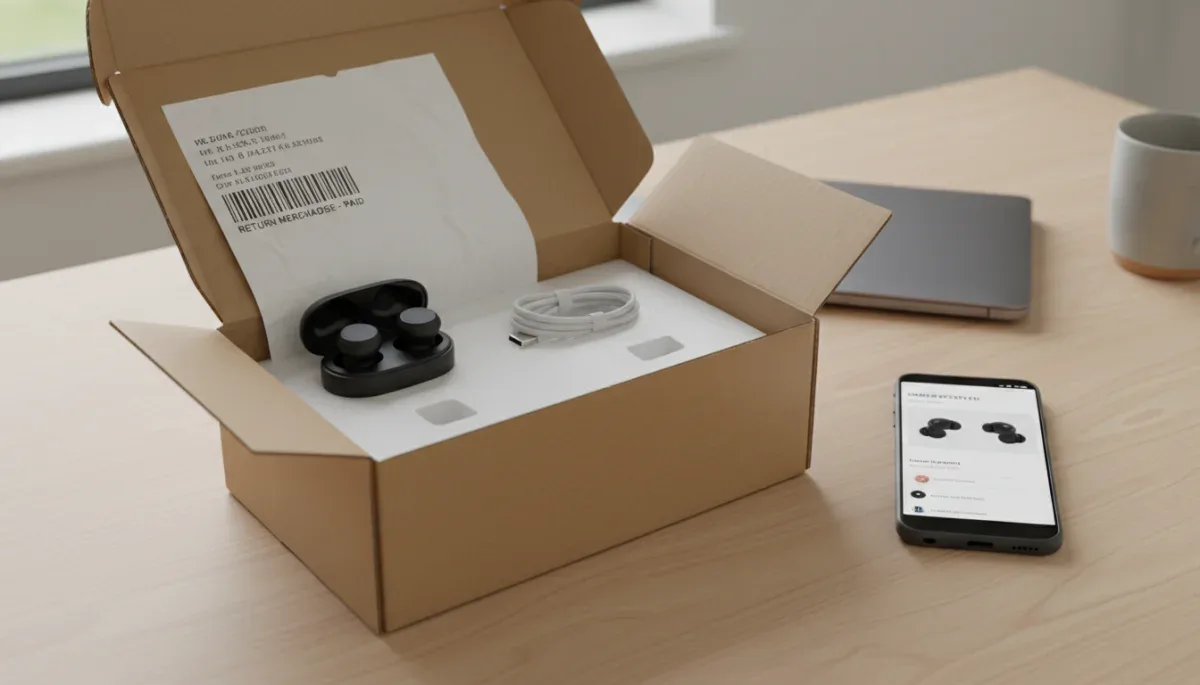
Return policies for low-cost gadgets purchased through online platforms depend entirely on whether the platform handles logistics directly or relies on independent third-party merchants to process your claim. Getting your money back on budget electronics returns requires you to initiate your request within a set window, provide clear photographic or video evidence of any defect, and return every cord, plug, and original package insert in undamaged condition.
Ads
This process benefits shoppers who want to test affordable alternatives to premium tech, but the catch is that return shipping fees, restocking penalties, or strict hazmat rules for lithium-ion batteries can easily reduce or erase the refund value of an inexpensive device. Understanding how different retail platforms define electronic defects and who covers the return shipping label helps you avoid losing money on low-cost chargers, smart plugs, earbuds, and accessories.
Ads
Understanding the standard marketplace return window
Online marketplaces generally provide a standard return window ranging between fourteen and thirty days from the verified delivery date, rather than the purchase date. Because budget electronics often feature lower manufacturing tolerances, identifying internal component failures, battery drain issues, or software bugs early is essential. Starting a return within this designated timeframe ensures that your purchase remains protected under the site platform guarantee rather than being referred to an external manufacturer warranty, which can be difficult or impossible to redeem on generic or non-branded tech imports.
At the time of writing, major platforms that sell directly to United States consumers handle calendar days strictly. If a platform states that customers have thirty days to send back an order, that countdown starts the morning after tracking shows the parcel was delivered to your address. Missing this cutoff by even a single day usually locks the automated return system, preventing you from generating a prepaid mailing label or opening an automated claim through your account dashboard.
Critical milestones during the return timeline
- Delivery day marks the official start of your eligibility period based on carrier tracking timestamps.
- The initial seven days represent the ideal testing window to confirm battery health, wireless connectivity, and port integrity.
- The standard thirty-day deadline is the absolute limit for requesting an automated platform return authorization.
- The label expiration date typically gives you between seven and fourteen additional days to hand the package to the designated postal carrier.
Failing to scan the parcel with the shipping carrier before the return label expires can result in the marketplace automatically closing your return case. Once a return case is canceled due to inactivity, most platforms do not permit you to reopen a second claim for the exact same order line.
Platform guarantees versus third-party merchant rules
A key distinction in budget electronics returns lies between products fulfilled directly by the platform and those shipped directly by independent third-party sellers. When an item is stored, packed, and delivered by the central marketplace warehouse network, the platform customer service guidelines dictate the entire return process. In these cases, refund approvals are largely automated, drop-off locations are plentiful, and return shipping costs are frequently absorbed by the platform if the item is genuinely flawed or incorrectly described.
When an order is sold and fulfilled directly by an independent marketplace merchant, the seller's specific store policy governs the initial return step. While marketplace guidelines require merchant terms to be at least as generous as the baseline platform terms, third-party sellers can impose specific administrative steps. They may require you to message them directly through the platform system, request troubleshooting steps, or ask for clear digital images illustrating the malfunction before agreeing to issue a return merchandise authorization.
If an independent seller refuses to respond within two to three business days, or demands that you pay return postage contrary to published marketplace rules, you can escalate the matter to the site dispute team. These escalation mechanisms, such as platform guarantee programs, step in to issue direct refunds from platform funds when an independent merchant fails to honor baseline consumer protections.
Defective claims, evidence requirements, and remorse returns
Marketplaces divide returns into two distinct legal categories: claims of defective or misdescribed goods, and discretionary returns based on buyer remorse. The category you select when initiating a return directly determines whether you receive a complete refund or forfeit a portion of your money to cover shipping expenses. If you return budget electronics simply because you decided against keeping them or purchased the wrong model by mistake, you are generally expected to pay the cost of the return postage label.
When you report that an electronic device arrived broken, missing essential cables, or failing to match the technical specifications listed on the product page, the seller or platform is responsible for providing a free return method. However, because inexpensive electronics are prone to high return rates, marketplace algorithms and merchant teams regularly require documented proof before authorizing an expense-free return. Providing thorough documentation immediately prevents prolonged disputes.
Documentation needed for electronic malfunction claims
- Clear, high-resolution photographs showing the product serial number, barcode, and physical condition.
- Short video clips showing the device plugged into a known working power source to demonstrate failure to power on.
- Side-by-side photo comparisons showing disparities between the advertised product features and the physical item delivered.
- Photographs of the original exterior packaging displaying any transit crushing, tears, or factory seal tampering.
Submitting this documentation through the official platform portal establishes an unambiguous paper trail. If a merchant attempts to claim that the product was returned in damaged condition due to user error, your initial submission photos serve as verifiable proof that the malfunction existed upon arrival.
Packaging requirements, accessories, and restocking fees
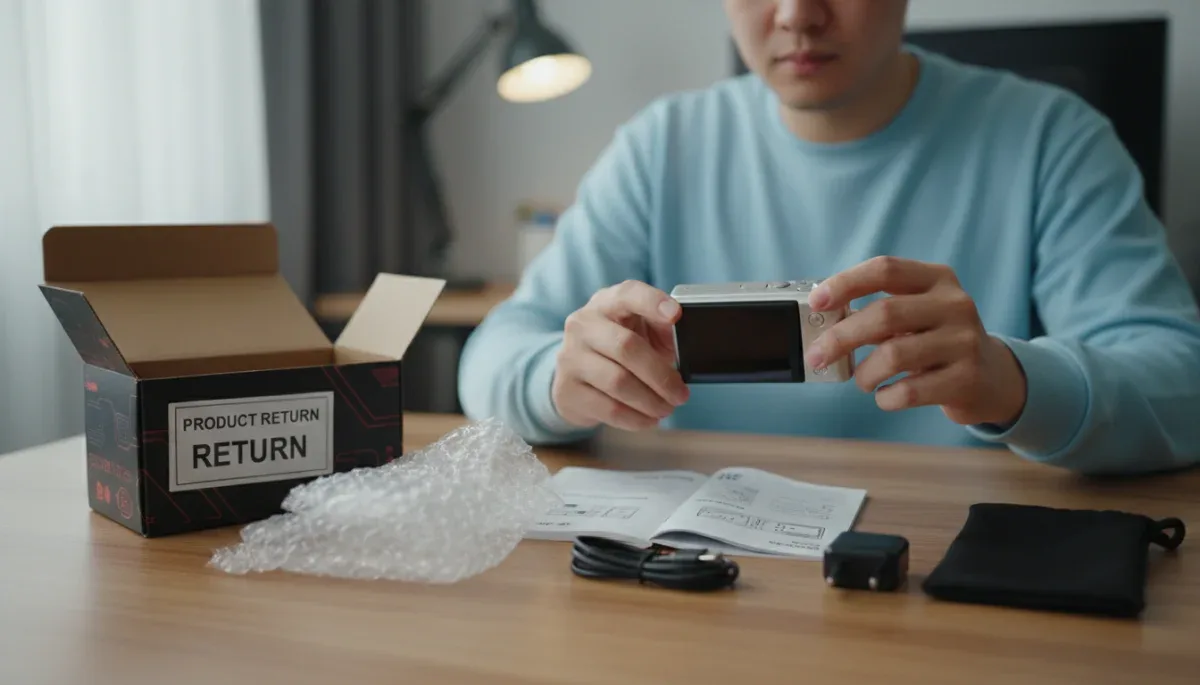
To receive a complete refund on budget electronics returns, marketplaces mandate that the product be returned in complete condition. Even for an inexpensive gadget costing under twenty dollars, the package must contain the main hardware unit, bundled power cables, interchangeable parts, protective covers, and original instruction booklets. Missing accessories provide sellers with a valid ground under marketplace policies to reduce the final payout or deduct a restocking fee.
Restocking fees for electronics can range between ten percent and twenty percent of the item price when items are returned opened, used, or missing internal protective materials. If a low-cost item is sent back without its retail cardboard packaging, merchants may deem the product unsellable as open-box merchandise. While platform policies prohibit restocking deductions on genuinely defective equipment, discretionary returns of opened electronics remain vulnerable to these administrative charges.
Carefully preserving the original packaging for the duration of the return window is the easiest way to protect your money. Opening boxes along factory seams rather than tearing the cardboard, retaining internal twist-ties, and keeping plastic wrap intact ensures that if an item fails during initial bench testing, it can be repacked exactly as received from the fulfillment center.
Return shipping logistics and lithium battery regulations
Shipping logistics for electronics are subject to federal transportation safety regulations, especially when dealing with products containing rechargeable lithium-ion or lithium-metal battery packs. Defective or physically damaged lithium batteries pose thermal runaway risks, meaning carriers such as the United States Postal Service, UPS, and FedEx enforce strict handling protocols. If a budget electronic item exhibits a swelling battery, an excessively hot exterior casing, or burning smells, carriers legally cannot accept it as standard return cargo.
In cases where a budget item has an unstable battery, marketplaces frequently implement what the retail industry calls returnless resolutions. Rather than paying expensive hazardous materials shipping rates or risking transportation fires for a ten-dollar gadget, the automated system or customer service agent may instruct you to keep or safely dispose of the item while still processing a full account refund. You are then responsible for taking the damaged item to a certified municipal e-waste recycling drop-off rather than putting it into residential trash.
Rules for safely shipping electronic returns
- Use the original exterior shipping box or an equivalent sturdy cardboard box rather than a thin paper mailer.
- Ensure the device cannot accidentally switch on during transit by engaging physical lock switches or depleting residual power safely.
- Affix any required lithium battery warning labels provided with your generated return paperwork directly to the outer parcel.
- Request a physical drop-off receipt with an active carrier tracking number when handing the parcel over at a shipping counter.
Holding onto that physical acceptance receipt is vital. If a package is misplaced between the carrier drop box and the distribution hub, the scanned receipt serves as legal proof that you fulfilled your return obligations within the specified window.
Refund processing times, store credits, and dispute escalation
The time it takes to see your money returned depends heavily on the refund method you select during the return flow. Marketplaces usually offer two choices: a balance refund credited to your digital store account, or a reversal back to the original payment method, such as a credit card, debit card, or bank account. Store credit is frequently issued within two to twenty-four hours after the carrier registers the return package scan, making it the fastest option if you intend to purchase an alternative gadget on the same site.
Original payment method refunds take considerably longer. Marketplace accounting departments typically release the funds within three to seven business days after the returned item arrives at their inspection facility and passes condition verification. Following that release, your card issuer or banking institution may require an additional three to five business days to post the balance back to your statement. For third-party seller returns, the merchant usually has forty-eight hours following package delivery to inspect the contents and release the payment.
If an independent seller fails to take action after the allotted inspection period, you must manually initiate a marketplace guarantee claim. Never attempt to bypass the marketplace platform by filing an immediate chargeback through your credit card company unless the platform dispute process has fully broken down. Initiating a bank-level payment dispute can cause marketplaces to suspend or permanently close your buyer account, preventing you from accessing past purchase histories, warranties, and pending credits.
At a glance
| Return factor | What to know |
|---|---|
| Return window | Most marketplaces require returns to be initiated within fourteen to thirty days of confirmed delivery. |
| Return shipping cost | Marketplaces cover shipping for verified defects, but buyers usually pay postage on remorse returns. |
| Packaging condition | Missing manuals, cords, or original boxes can result in partial refunds or restocking deductions. |
| Damaged batteries | Swollen or hazardous lithium items are often refunded immediately without requiring physical return shipping. |
Frequently asked questions
Can I return an opened electronic item if I threw away the original box?
You can sometimes return an unboxed item, but the merchant or marketplace may deduct a restocking fee of ten to twenty percent. If the product is non-functional, customer support may approve the return, but you must pack it safely to prevent further damage during shipping transit.
Who pays for return shipping if my budget electronics arrive broken?
The seller or marketplace must provide a prepaid return shipping label when goods arrive damaged or defective. You will need to select the appropriate defect reason during the online return flow and provide photographic or video evidence showing the unit failing to work properly.
What happens if a third-party seller refuses my return request?
You can escalate the issue directly to the platform customer support team through their buyer protection program. If the merchant fails to respond within the required timeframe or violates published marketplace return standards, the central platform will step in and issue your refund directly.
How does a returnless refund work on low-cost electronic items?
A returnless refund occurs when the marketplace refunds your payment without requiring you to ship the physical item back. Platforms use this option when return shipping and processing costs exceed the value of the inexpensive gadget or when damaged lithium batteries present safety risks.
The bottom line
Navigating budget electronics returns successfully requires testing your gadgets immediately upon arrival, preserving all original boxes and included accessories, and documenting any functional failures with clear photos or video clips before opening a claim. Before you initiate any return on an online marketplace, always confirm the specific seller policy on the item detail page to verify who covers return shipping postage.
Written by
Maria Eduarda
Maria Eduarda writes about discounts, house and electronics for onlyshein.com. Each article explains how things work, compares published details such as prices, policies and program rules, and points readers to the official source before they decide.