Biophilic design trends: transforming your living space
Advertisements
Biophilic design trends focus on integrating natural elements such as plants, natural light, and organic materials to improve well-being and create healthier spaces.
This approach is gaining attention by inviting nature indoors and transforming how we experience our homes and workplaces. Small design choices can make environments feel calmer and more balanced.
By connecting interior spaces with the outdoors, biophilic design helps reduce stress and enhance daily comfort. These trends show how nature can positively shape our living environments.
Advertisements
Understanding biophilic design principles
Key Elements of Biophilic Design
To effectively implement biophilic design, consider these core elements:
- Natural light: Maximizing daylight can elevate mood and productivity.
- Plant life: Incorporating vegetation enhances air quality and brings a sense of calm.
- Natural materials: Using wood, stone, and other organic materials can create a warm and inviting atmosphere.
- Water features: The sound and sight of water can provide a soothing effect, making spaces more tranquil.
Furthermore, biophilic design emphasizes visual connections to nature. This means positioning windows to provide views of trees, gardens, or water bodies. People instinctively feel more relaxed in spaces that showcase nature.
Design Strategies
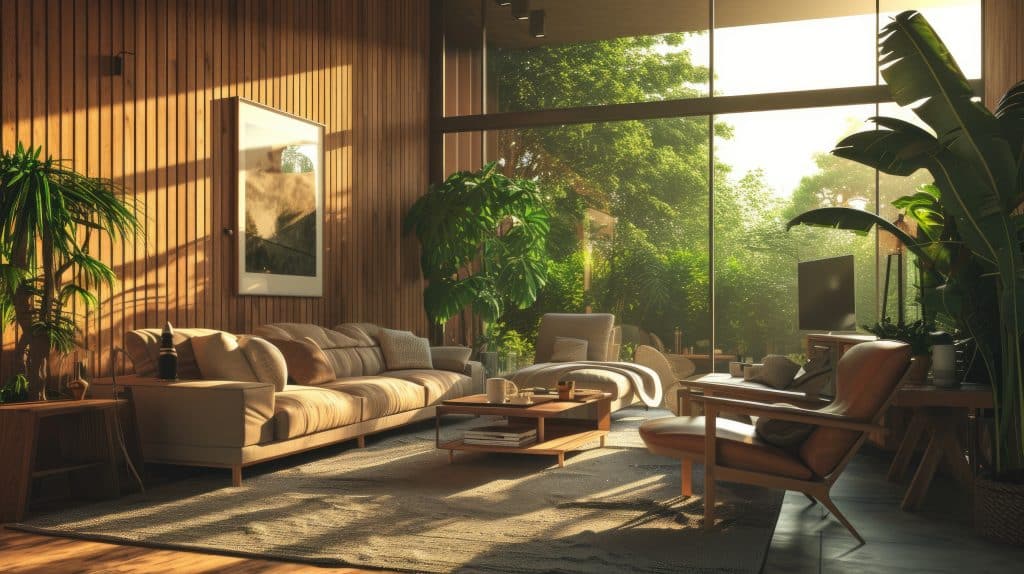
Incorporating natural elements requires thoughtful planning. Here are some strategies to consider:
- Open layouts: Create spaces that flow into one another, allowing natural elements to be seen from different points.
- Indoor gardens: Use vertical gardens or potted plants to bring greenery indoors.
- Natural textures: Blend different textures like wood, stone, and fabrics that evoke a natural feel.
Ultimately, understanding biophilic design principles can transform how we interact with our environments.
By emphasizing nature, we can create spaces that nourish our minds and bodies, making them both functional and enjoyable.
The impact of nature on mental health
The impact of nature on mental health is widely recognized and deeply significant. Research shows that spending time outdoors helps lower stress levels and supports emotional balance.
Natural environments promote relaxation and mental clarity, allowing the mind to reset. Even brief contact with nature can improve mood and reduce anxiety.
By regularly connecting with nature, people can strengthen their overall sense of well-being. These experiences contribute to better mental health and a more positive daily outlook.
Benefits of Nature Exposure
Regular exposure to nature can lead to various mental health benefits:
- Reduces stress: Nature can lower levels of cortisol, the stress hormone.
- Boosts mood: Activities in green spaces can increase feelings of happiness and reduce anxiety.
- Enhances focus: Natural settings help improve concentration and cognitive functioning.
- Promotes social interaction: Parks and natural areas encourage community engagement and social bonding.
Additionally, interacting with nature can provide a sense of peace and tranquility. Many people find that views of greenery, water, and wildlife create a calming atmosphere, allowing them to recharge mentally.
Simple activities like walking in a park or gardening can make a remarkable difference in how we feel.
Nature Therapy and Practices
More professionals are recognizing the importance of nature therapy. This approach involves guided experiences in natural settings to promote healing. People engage in activities such as:
- Nature walks: Gentle strolls through forests or along beaches can enhance relaxation.
- Mindful gardening: Cultivating plants facilitates mindfulness and connection to nature.
- Forest bathing: This practice encourages immersion in the forest environment, boosting emotional well-being.
The combination of physical activity and exposure to the outdoors fosters a greater sense of connection and purpose. Nature acts as a source of comfort, aiding recovery from challenging situations and improving mental health outcomes.
Innovative materials for biophilic interiors
Innovative materials for biophilic interiors help bridge the gap between indoor spaces and the natural world. They create environments that feel more organic, calming, and connected to nature.
By carefully selecting these materials, it is possible to enhance well-being while maintaining visual appeal. Natural textures and finishes contribute to comfort and harmony.
Beyond aesthetics, these materials also support sustainability and responsible design. They encourage healthier spaces that benefit both people and the environment.
Eco-friendly Materials
Using eco-friendly materials is important for biophilic design. Here are some materials you might consider:
- Bamboo: A fast-growing, renewable resource that is both strong and lightweight.
- Recycled wood: Utilizing reclaimed wood adds character and reduces waste.
- Natural stone: Incorporating stone creates a sense of permanence and connects to the earth.
- Straw bales: This natural material provides excellent insulation and a unique aesthetic.
These materials not only look good but also help minimize environmental impact. They bring a touch of nature indoors, making spaces feel more inviting and comfortable. When combined thoughtfully, they enhance the overall design while supporting sustainability.
Textiles and Finishes
Another aspect to consider is the choice of textiles and finishes. Natural fabrics can make a significant difference in a biophilic interior. Look for:
- Organic cotton: Soft and breathable, this fabric is safe for both the environment and human health.
- Linen: A durable and timeless textile that has a natural beauty.
- Jute: This material is perfect for rugs and other accessories, adding warmth and texture.
In addition to textiles, incorporating finishes that reflect natural elements enhances the overall atmosphere.
Think about paint colors that mimic earth tones or finishes that have a matte, natural look. These choices help solidify the connection to nature in every corner of your space.
Incorporating plants in your decor
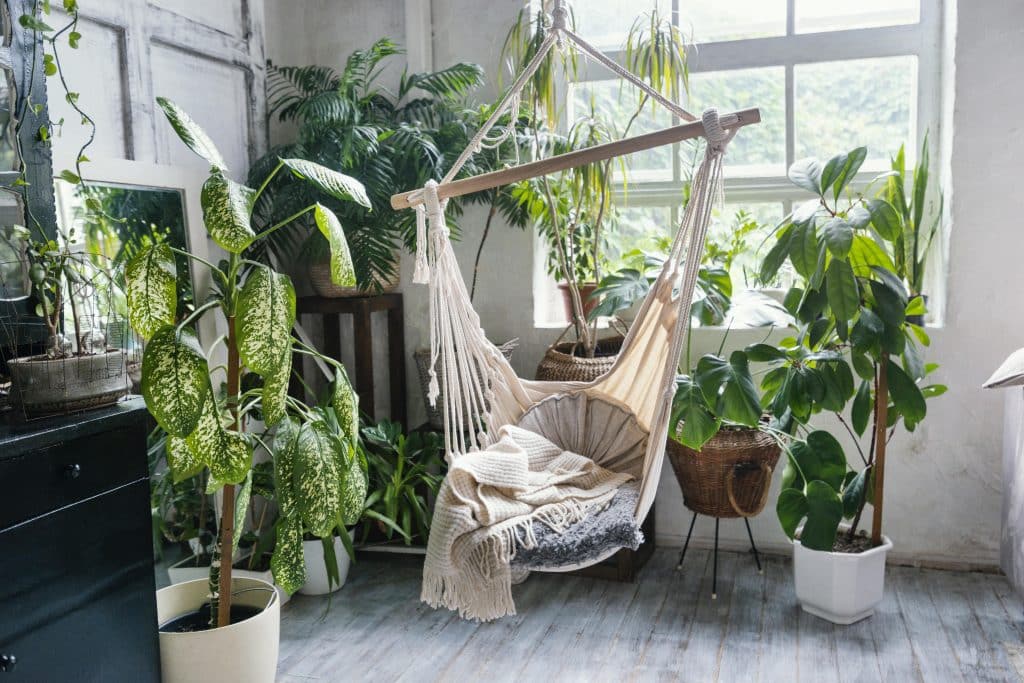
Incorporating plants into your decor can instantly transform a space into a fresh and inviting haven. Greenery brings life, color, and a sense of natural balance to interiors.
Beyond aesthetics, plants help improve air quality and promote a calming atmosphere. Their presence can reduce stress and enhance daily comfort at home.
By understanding where and how to place plants, you can elevate your interiors with ease. Thoughtful choices create spaces that feel both stylish and tranquil.
Choosing the Right Plants
When selecting plants, consider factors like light conditions and maintenance needs. Here are some great options:
- Snake plants: These hardy plants can thrive in low light and require minimal care.
- Pothos: Known for their trailing vines, pothos are easy to grow and adapt to various environments.
- Peace lilies: With lovely white blooms, they do well in shade and help purify the air.
- Succulents: Perfect for sunny spots, they come in many shapes and sizes, adding texture to your decor.
Placing the right plants in suitable locations can enhance the overall feel of a room. For instance, large greenery can serve as a focal point, while smaller plants can be grouped together for aesthetic appeal.
Creative Display Ideas
Think outside the box when it comes to displaying plants. You might try:
- Wall-mounted planters: These save space and create living wall art.
- Floating shelves: Arrange plants at different heights to add dimension.
- Hanging planters: Use macramé hangers for a boho touch and to draw the eye upwards.
Integrating plants into your decor doesn’t have to be complicated. Start with a few easy-to-care-for varieties and gradually build your collection.
As you incorporate more plants, notice how your space feels more vibrant and welcoming. This living decor can truly bring nature indoors, creating a calming environment for you and your guests.
Case studies on biophilic design success
Case studies on biophilic design success offer valuable insights into how nature-inspired concepts improve interior spaces. They show practical applications of design principles in real settings.
These real-world examples highlight the positive effects of biophilic design on well-being and user experience. Both homes and workplaces benefit from stronger connections to nature.
By examining successful projects, designers can better understand what works. These case studies inspire healthier, more engaging residential and commercial environments.
Residential Projects

One notable case is a home designed in the Pacific Northwest, featuring large windows that frame forest views. Natural light flows freely, creating a strong connection with the surrounding landscape.
The homeowners reported a noticeable improvement in mood and overall well-being after moving in. Daily exposure to natural scenery made the space feel calmer and more uplifting.
Elements such as natural wood and stone further strengthened the bond with the outdoors. These materials helped create a seamless transition between interior spaces and nature.
Commercial Success Stories
In commercial environments, biophilic design has proven effective as well. A corporate office in New York City incorporated indoor gardens.
Employees now enjoy green spaces that not only improve air quality but also serve as areas for relaxation and collaboration. Studies showed increased productivity and employee satisfaction.
- Hotels: Biophilic design in hospitality settings often includes water features and green walls, attracting guests who seek a tranquil atmosphere.
- Schools: Educational facilities have used natural lighting and outdoor classrooms to create engaging learning environments that stimulate creativity and focus.
Another interesting case involves a hospital that prioritized biophilic elements in its design. Natural views and artworks inspired by nature help reduce anxiety in patients.
Researchers found a noticeable decrease in recovery times for patients exposed to these calming environments.
Key Takeaways
These case studies highlight the versatility and effectiveness of biophilic design. By integrating natural elements into various types of spaces, we can create healthier, more enjoyable environments that benefit both individuals and communities.
Evaluating these successful projects encourages more designers and architects to embrace nature in their future works.
Incorporating biophilic design principles can lead to transformative results in both homes and workplaces.
The examples in this article show how elements such as natural light, indoor plants, and eco-friendly materials significantly improve our well-being.
As more designers embrace these ideas, we can look forward to healthier and happier living environments. Nature truly does have a profound impact on our lives.
FAQ – Frequently Asked Questions about Biophilic Design
What is biophilic design?
Biophilic design is an architectural and interior design approach that seeks to connect people with nature by integrating natural elements into living and working spaces.
How can biophilic design improve my home?
Incorporating biophilic design can enhance air quality, reduce stress, and create a more inviting atmosphere in your home.
What types of plants are best for indoor biophilic design?
Some great options include snake plants, pothos, and peace lilies, as they thrive indoors and improve air quality.
Can biophilic design be implemented in an office setting?
Yes, biophilic design can be effectively implemented in offices through indoor gardens, natural lighting, and views of the outdoors, which can increase productivity and employee satisfaction.
